Food waste makes up the largest category of landfill contributions in the United States. As much as 40% of the American food supply is discarded, even as nearly 50 million Americans live with food insecurity. Local nonprofit We Don’t Waste is trying to tackle both problems at once, collecting food that would otherwise end up in the trash and sending it to other nonprofits that can put it to use.
Founded by Denverite Arlan Preblud in 2009, We Don’t Waste began with a question posed to one restaurant: What do you do with the food at the end of the night? Arlan found that, rather than save or repurpose it, the restaurant was just throwing it away. The conversation set Arlan on a mission to seek out and rescue as much doomed food as possible. The program has since grown into a full-time staff with a city-wide distribution network, and is now the largest supplier of rescued food in the state.
“We will recover food from pretty much anyone within this food cycle,” said communications and marketing manager Caroline Hissong. “It could be a mom-and- pop shop, like a local deli or bakery, to a donation partner that is a nationally based food producer.”
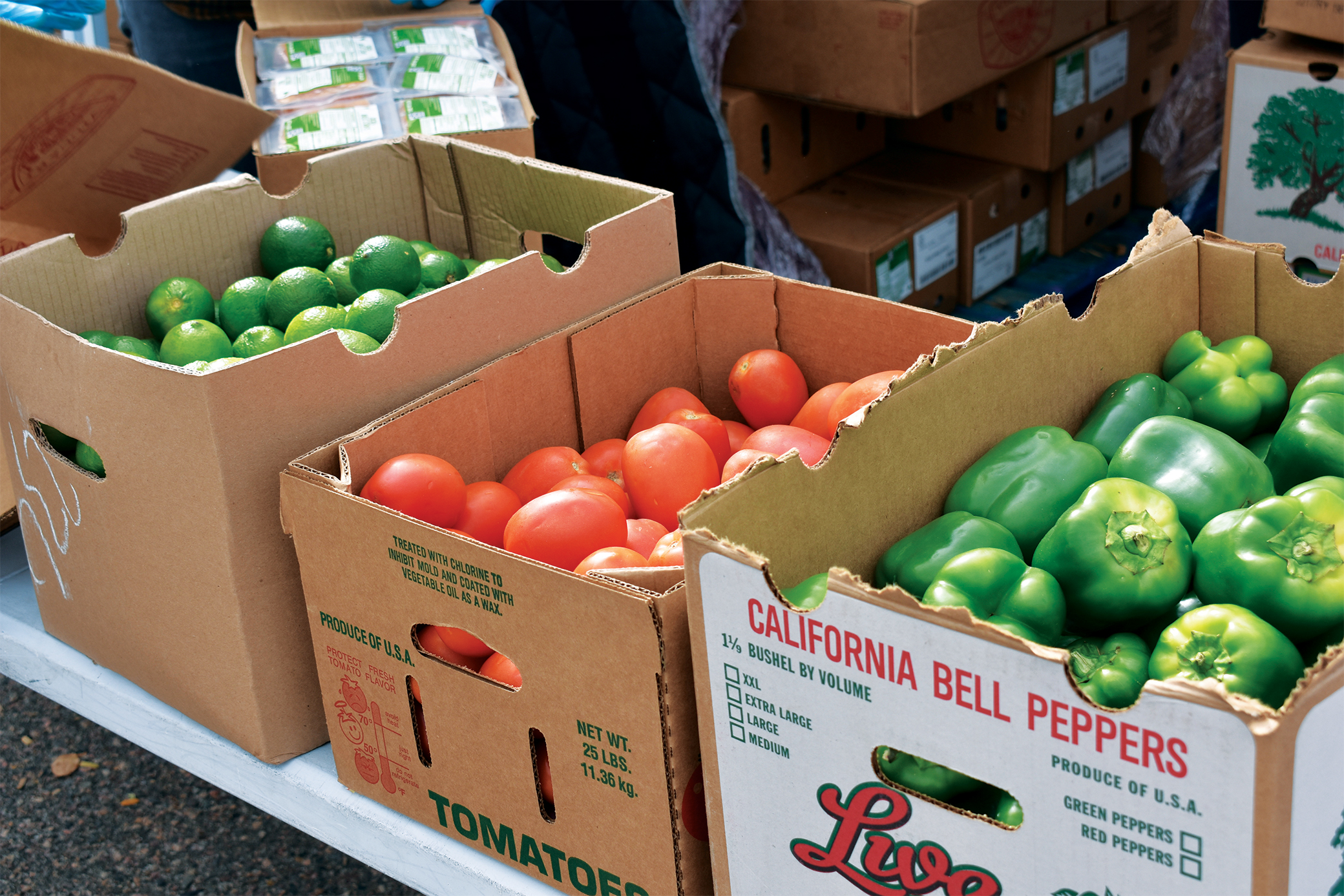
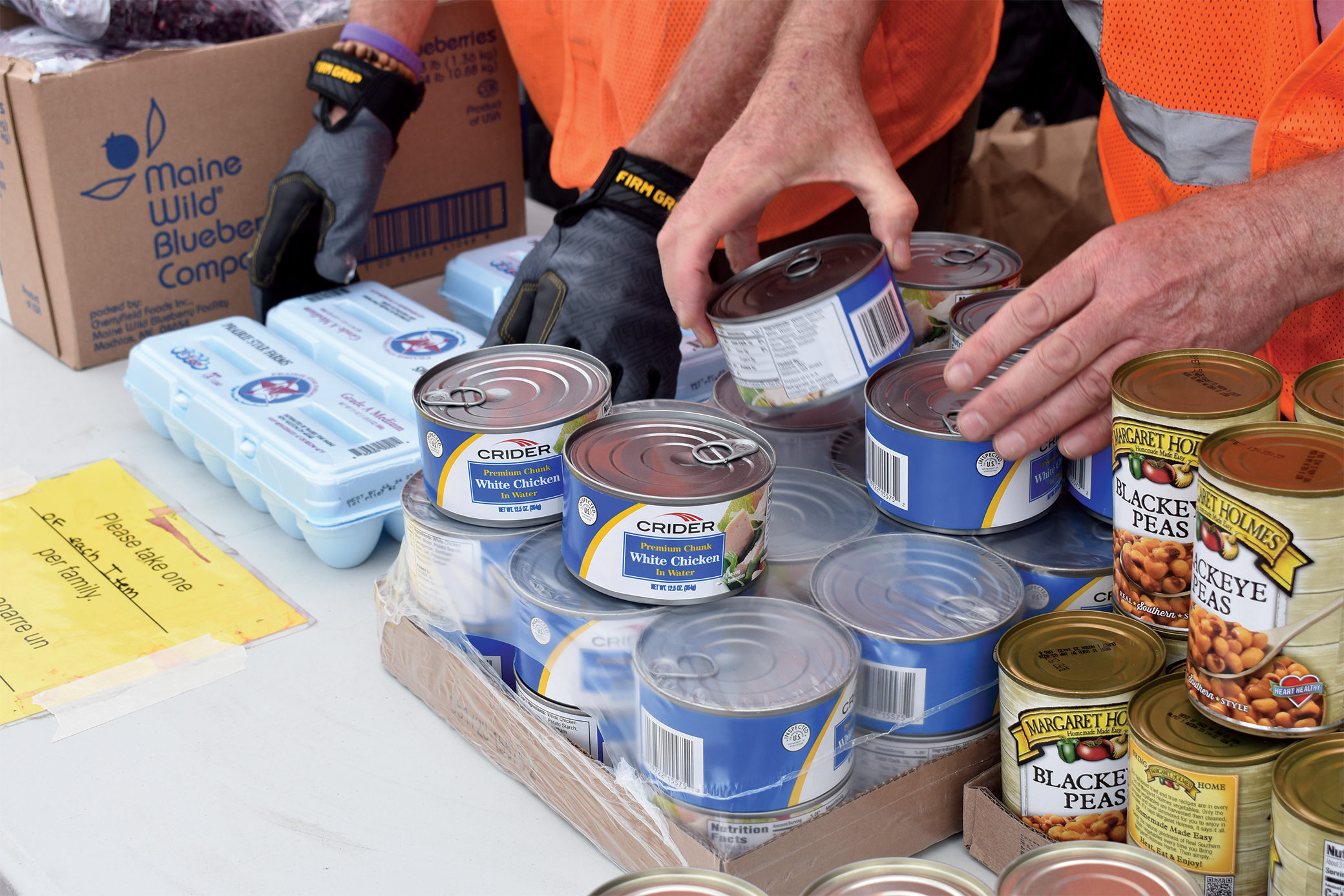
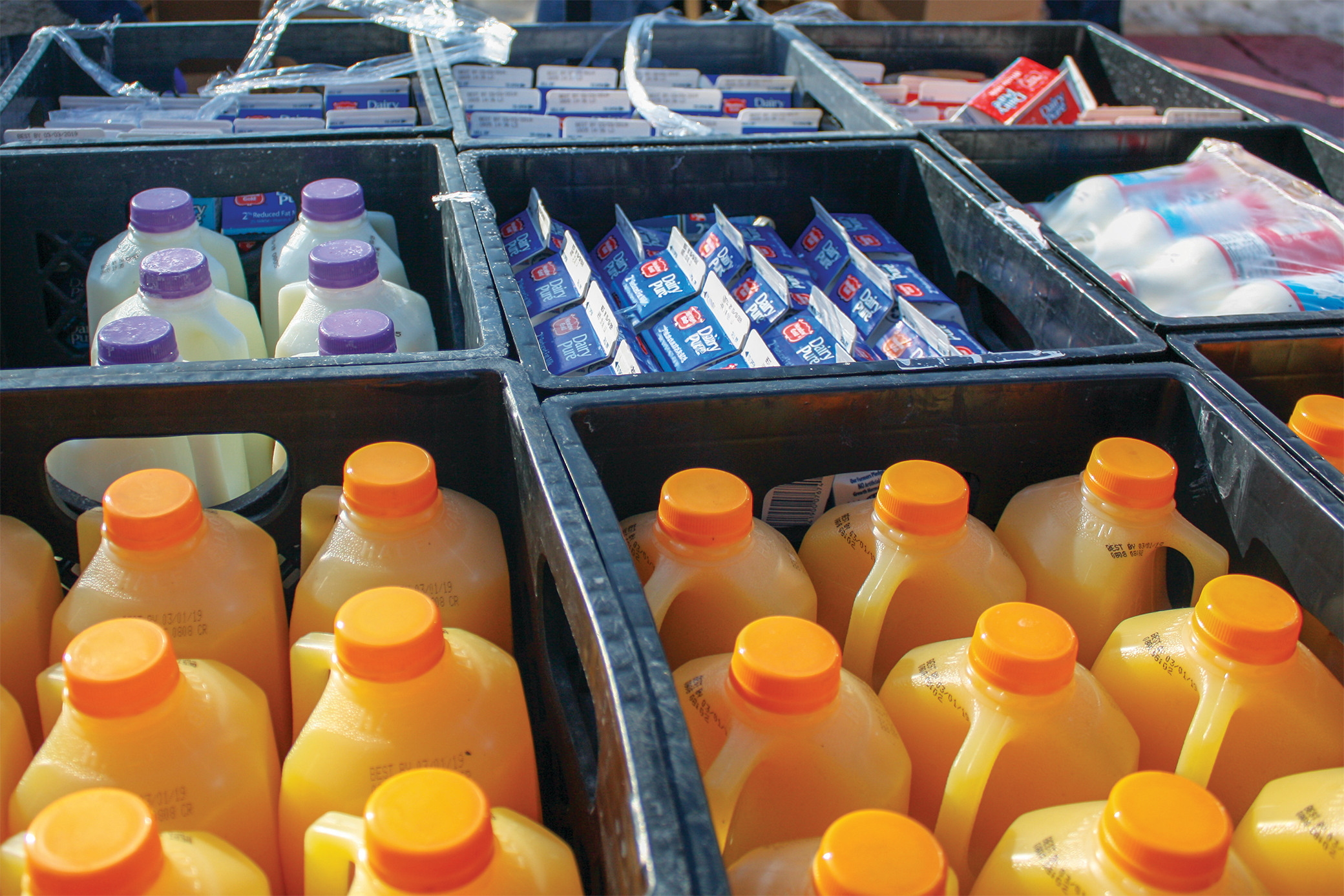
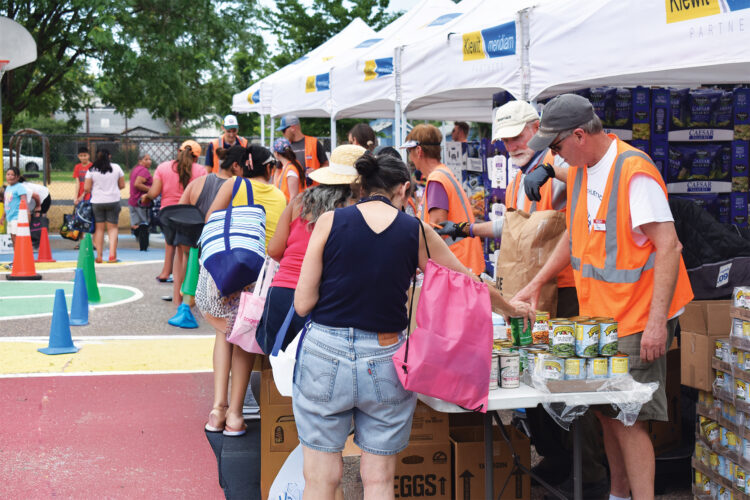
From there, the food is sent out, either to one of over 140 nonprofit partners or to one of We Don’t Waste’s no-cost mobile food markets. In either case, fresh produce, dairy, and other necessities make it to people across the Denver area. These markets specifically target food deserts, areas that lack, or are systematically denied, access to affordable or nutritious food.
“That might look like far and few between grocers, or less access to public transportation,” Caroline said. “We’ll have mobile food markets in areas like Globeville, Elyria-Swansea, Aurora, and even in Denver’s Central neighborhood.” We Don’t Waste has recovered 280 million servings of food, 30 million of which came in just the last year. Despite the scale, the team stays focused on the individuals they serve, understanding the role they still play: getting food to the people who need it.
Waste plays a major role in the food industry; Arlan and the team’s work doesn’t mean that’s stopped. What it does mean is that people are sinking their teeth into this enormously important issue, and they’ve been able to take a pretty big bite.
Green Cuisine
Three other Denver businesses making strides in ecological protection.

The Wolf’s Tailor, rather than throwing anything away, practices a zero-waste model. Through alternative methods like fermentation and partnerships with local regenerative farms, the kitchen keeps its menu fresh with ingredients that are local and in season. It’s not just fluff, either. The Wolf’s Tailor is the only two-Michelin-star kitchen in Denver, and one of only two restaurants in the city with a green star.
Denver Beer Co. is doing more than brewing great beer; it’s making huge strides in capturing carbon dioxide. Fermentation naturally releases CO2, and the brewery’s new system from Earthly Labs makes sure that it doesn’t make it into the atmosphere and is sent out to be used in other industries.
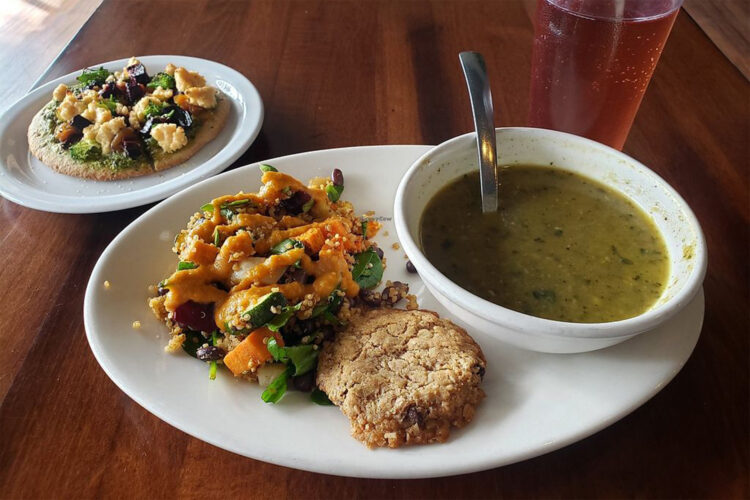
SAME Café operates on a unique pay- what-you-can model, using donated and rescued food to ensure that anyone, regardless of background or status, can eat a meal. After nearly two decades in operation, the restaurant is the oldest of its kind in the United States.
For print-exclusive stories, download the digital magazine or pick up a copy from select local King Soopers, Safeway, Tattered Cover, or Barnes & Noble locations.