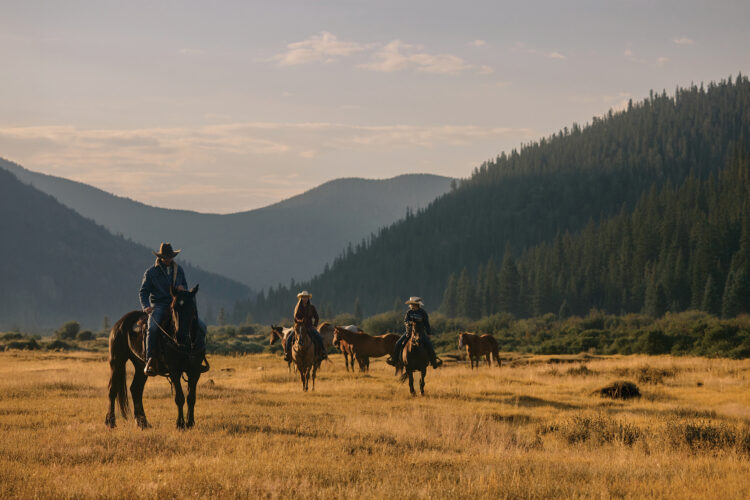
The first thing you give up when you turn off the highway and onto the gravel drive at Tumbling River Ranch is your phone signal. The second is your car keys. The valet leaves them tucked in the ignition, not because there’s nowhere else to put them, but because nobody here wants you thinking about your car again until it’s time to leave.
There are no room keys, either. No televisions. No wake-up calls buzzing through a hotel phone. Just a secluded valley at 9,200 feet, surrounded by Pike National Forest, where the loudest thing on the property most mornings is the creek.
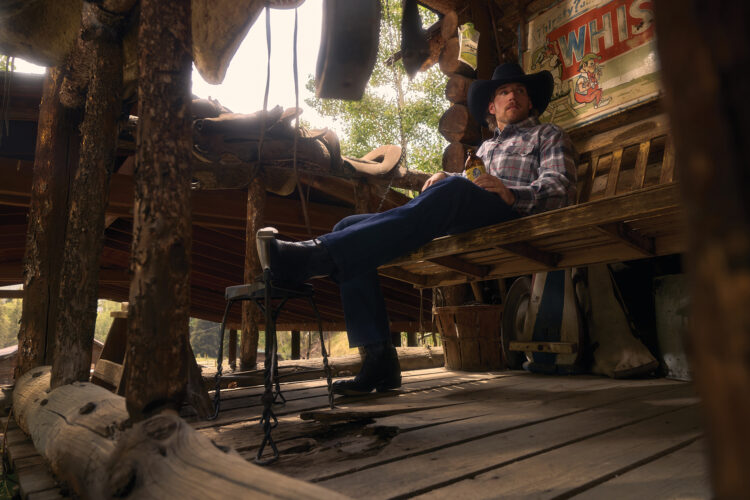
Tumbling River has occupied this pocket of Colorado for 80 years, more or less. Ernie and Meezie Keyes established the guest ranch in 1946, though the Ranch House dates back another decade. This February, the property reopened after a two-year, $8 million transformation that set out to do something trickier than most renovations: modernize a Colorado institution without making it look like anyone had messed with it.
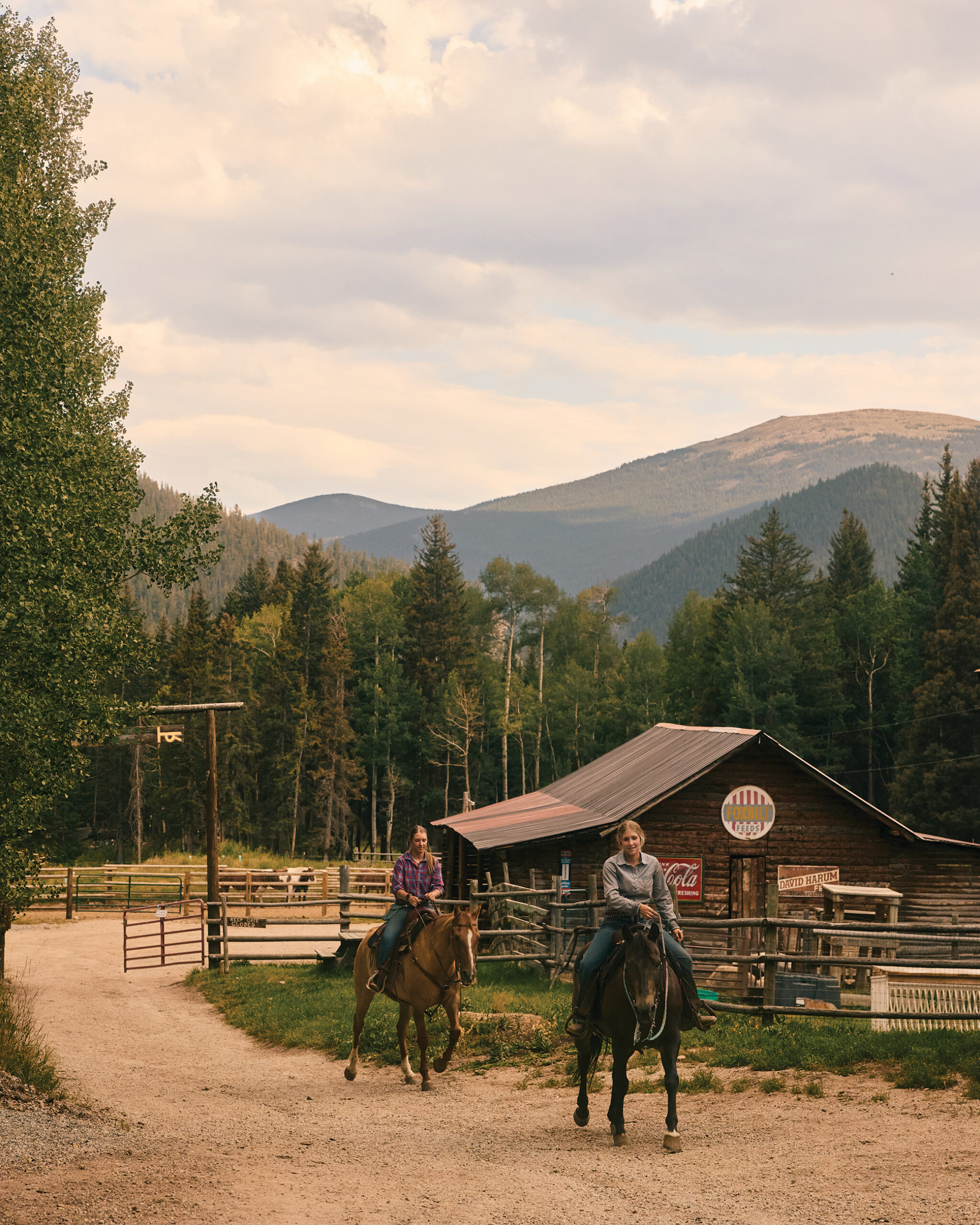
The ranch sits just an hour from Denver, off the Guanella Pass Scenic Byway between Georgetown and Grant, but distance is measured differently once you arrive. The Twin Cone Peaks rise beyond the meadow. Horses graze nearby. Geneva Creek cuts through the property. And with room for no more than 60 guests, there are more acres of wilderness than people.
Cut From the Same Cloth
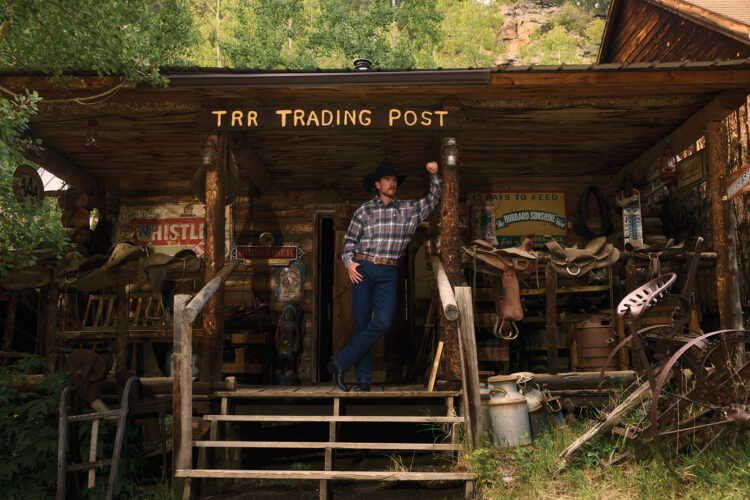
If you’re going to tell the story of a Colorado ranch, you might as well dress the part.
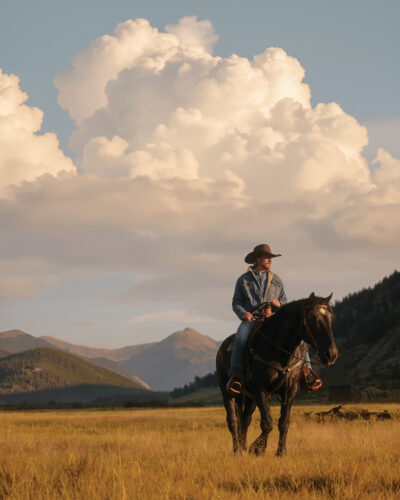
For this feature, Denver Life outfitted our shoot in Rockmount Ranch Wear, pairing one Colorado institution with another. The connection goes deeper than a good Western shirt. Rockmount was founded in Denver in 1946, the very same year Ernie and Meezie Keyes established Tumbling River Ranch.
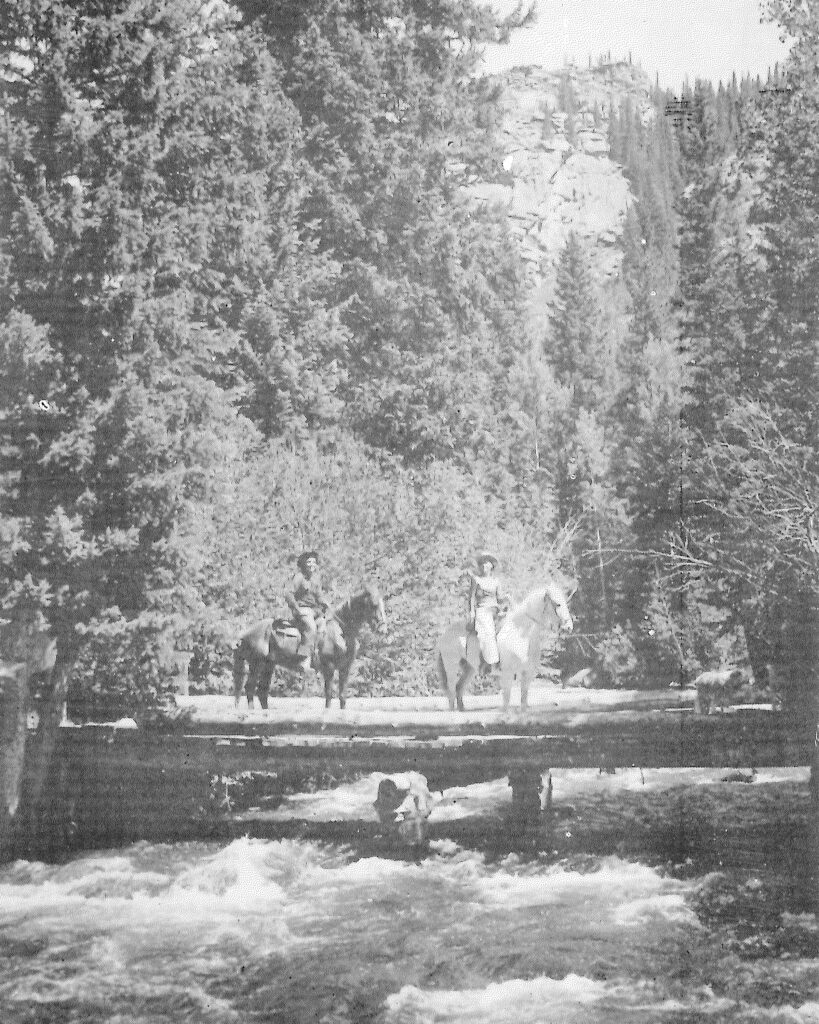
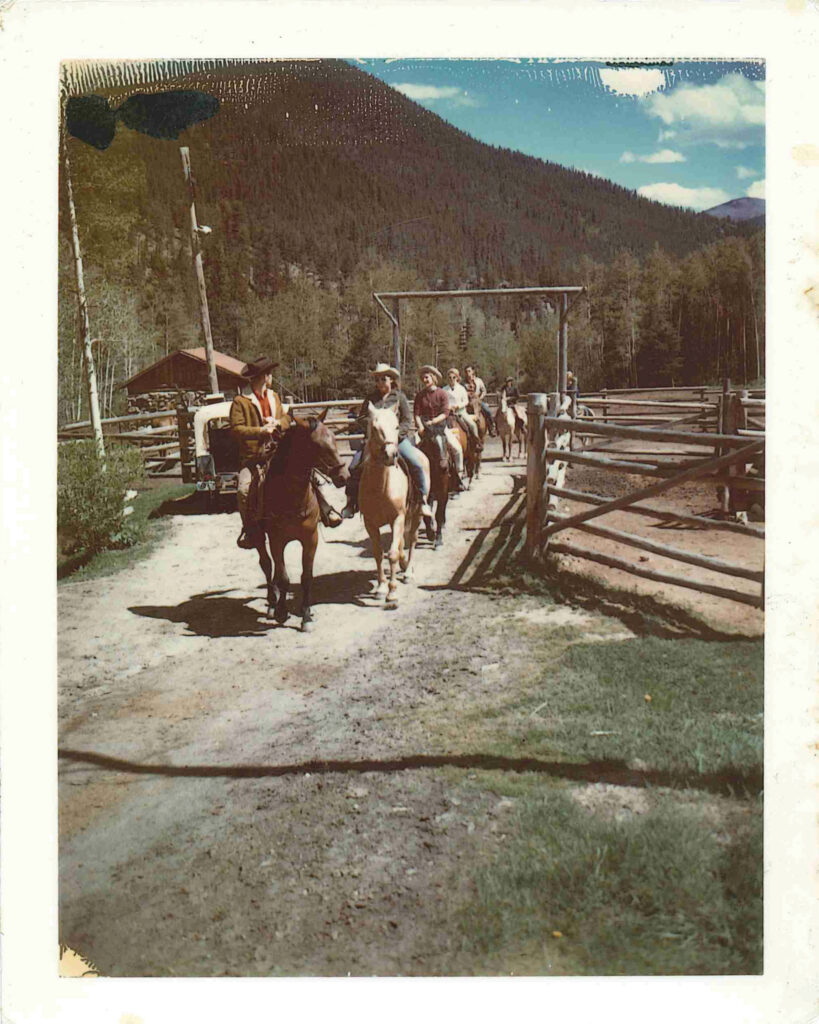
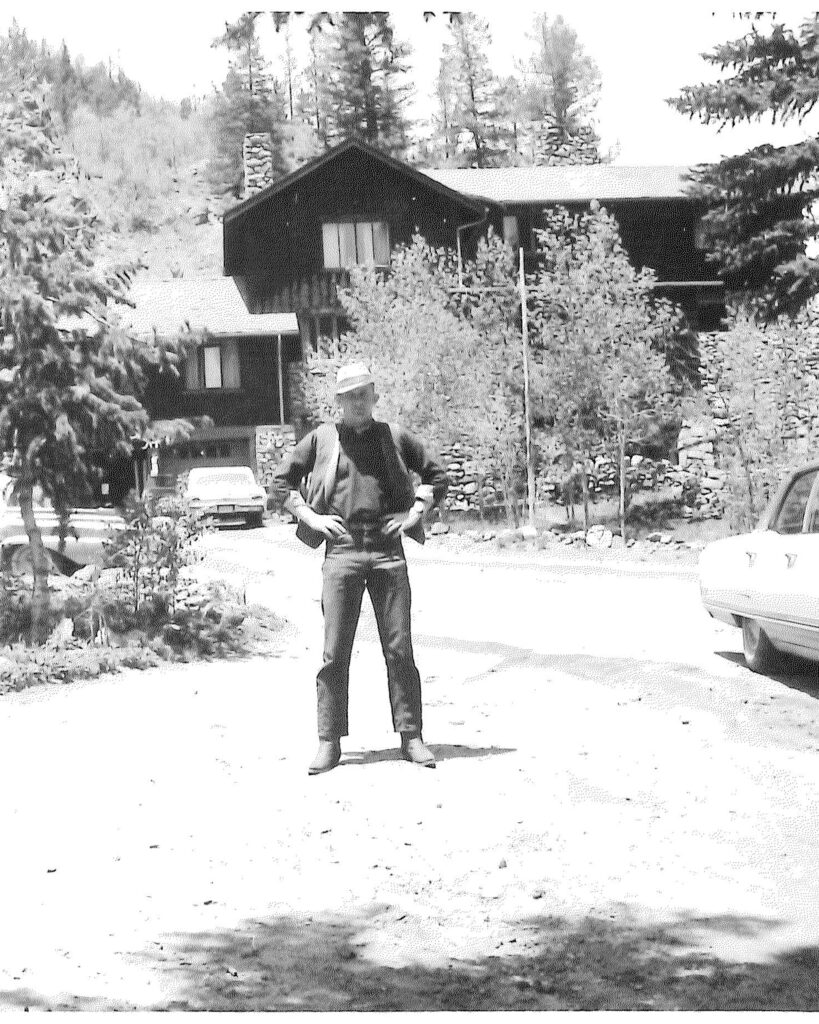
Eighty years later, both are still here, Colorado-born and bred, and still finding ways to carry the spirit of the American West forward. One does it through horses, hospitality, and life on the land; the other through sawtooth pockets, diamond snaps, and four generations of family history.
We’ll get to Rockmount’s story later. For now, the shirts are right where they belong: woven into a valley that’s been carrying on the same tradition since 1946.
Wide Open
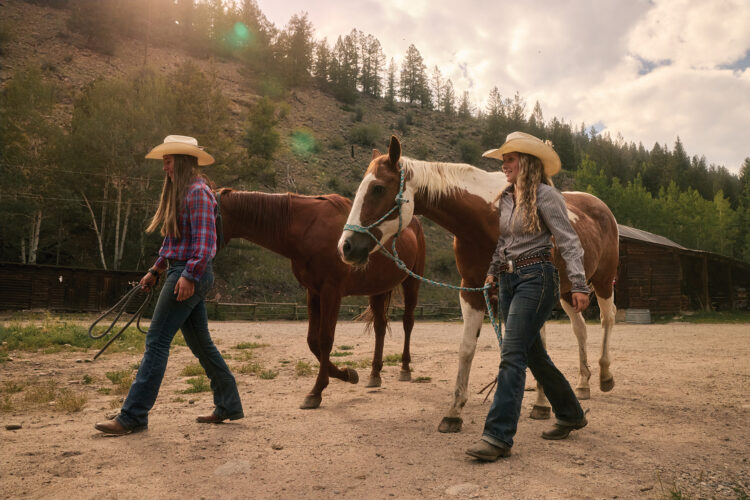
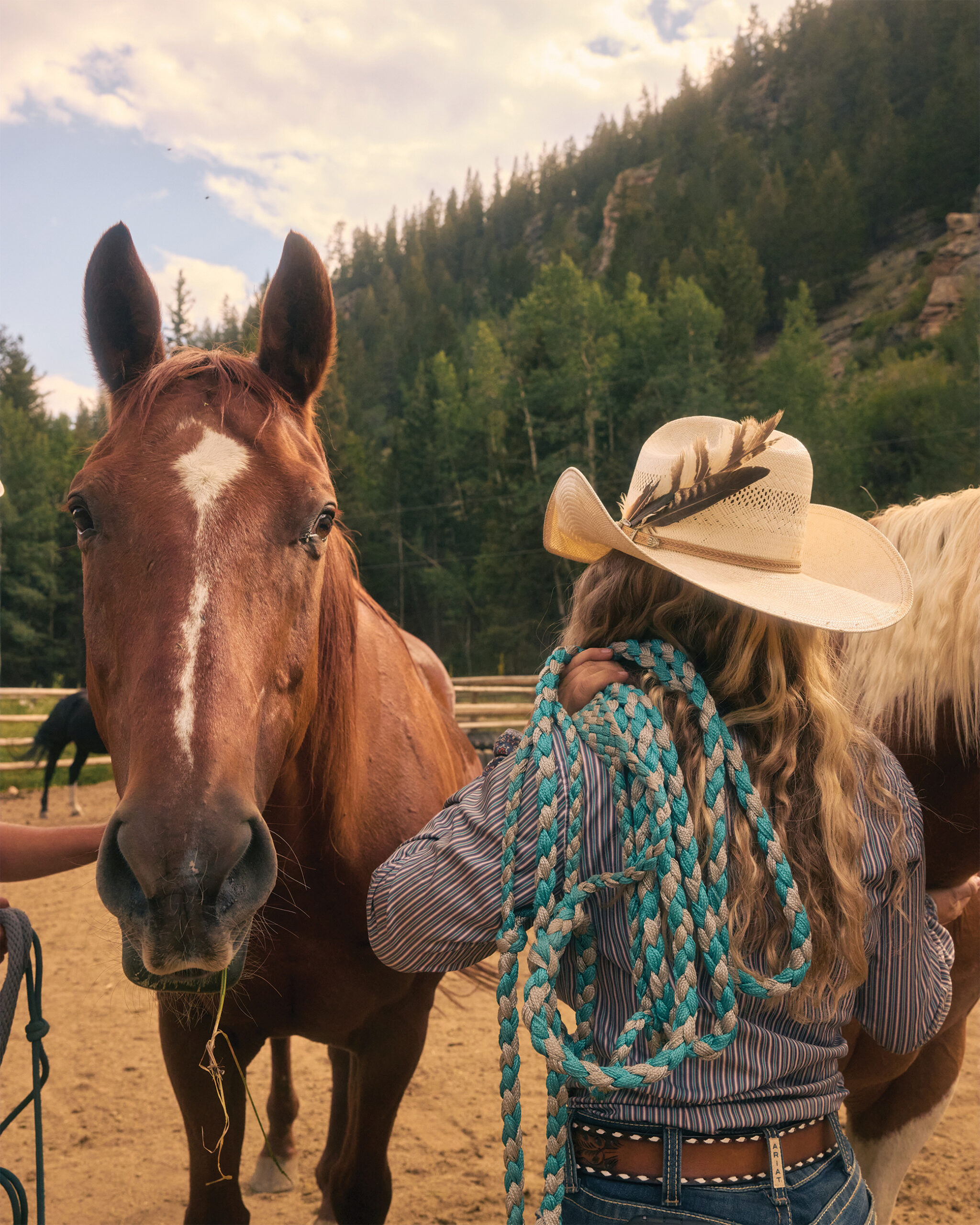
Tumbling River is a guest retreat, but it remains a ranch, complete with the horses, wranglers, mud, hay, and the early mornings those duties entail. The wrangling team happens to be female, still unusual in a profession long dominated by men.
“It’s something we’re incredibly proud of,” wrangler Lucine Hohn says. “For us, redefining what a modern wrangler looks like isn’t about proving that women can do the job. It’s about showing that skill, horsemanship, grit, and a genuine connection with the animals are what matter most.”
Plenty of guests arrive with considerably less horse experience. Some have never climbed into a saddle. Every ride begins with the basics before heading onto rocky trails and bridge crossings through the surrounding landscape.
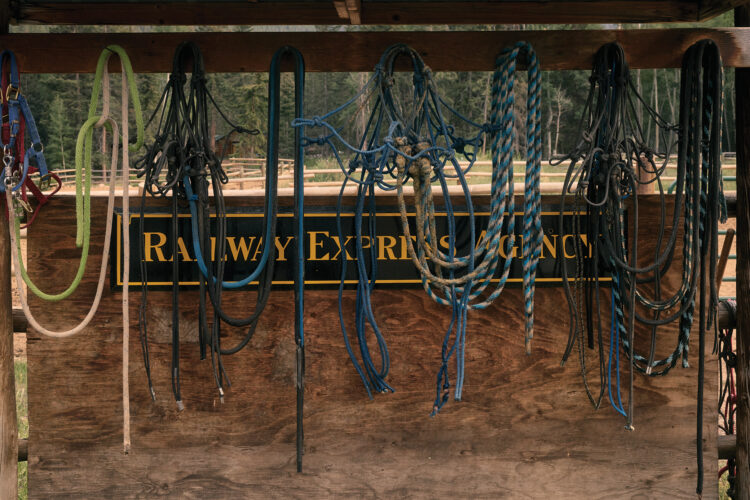
“We start every ride with the do’s and don’ts; it doesn’t matter how experienced they are,” Lucine says. “Our trails are unique; they have a lot of rocks and bridge crossings, so starting the ride with what to expect helps them know what they’re getting themselves into.”
From there, she keeps nervous riders talking and moving. By the end, most have forgotten whatever apprehension they brought with them. “It’s so rewarding seeing that change, because they can feel what I feel every time I’m on a horse: happy, grateful, excited, and at peace.”
The saddle is only one way into the landscape. Guests can hike, mountain bike, shoot, rock climb, try archery or cooking classes, or head out for white-water rafting. Fly-fishing takes place about 15 minutes away on a private stretch of the South Platte River, with the ranch supplying everything from rods and waders to guides and, for beginners, plenty of patience.
Leading the program is John Collie, Tumbling River’s director of guest relations, who has put more rods in more hands than he can count. Out here, experience is optional. John and his team are just as happy introducing someone to their first cast as they are guiding a lifelong angler, with the river itself doing much of the convincing.
The horses head to winter pasture around Labor Day, but Tumbling River doesn’t shut down with them. Snowshoes and cross-country skis come out, the ranch pond becomes an ice rink, and downhill ski trips to nearby Breckenridge can be arranged. Along the river, wooden hot tubs, sauna, massage space, and a cold plunge make a convincing argument for staying put.
River Lessons
The ranch’s director of guest relations, John Collie, shares why a day on the South Platte is about more than fish.
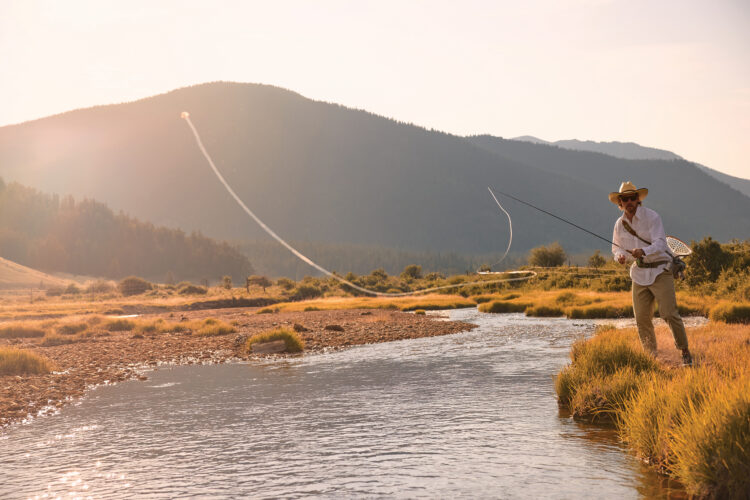
The Real Reward “Our goal is to help people disconnect from screens, reconnect with nature, and experience the beauty that Colorado has to offer.”
The Big Four “Landing a cutthroat, brown, rainbow, and brook trout in one outing is referred to as a grand slam among local anglers and is considered a memorable achievement.”
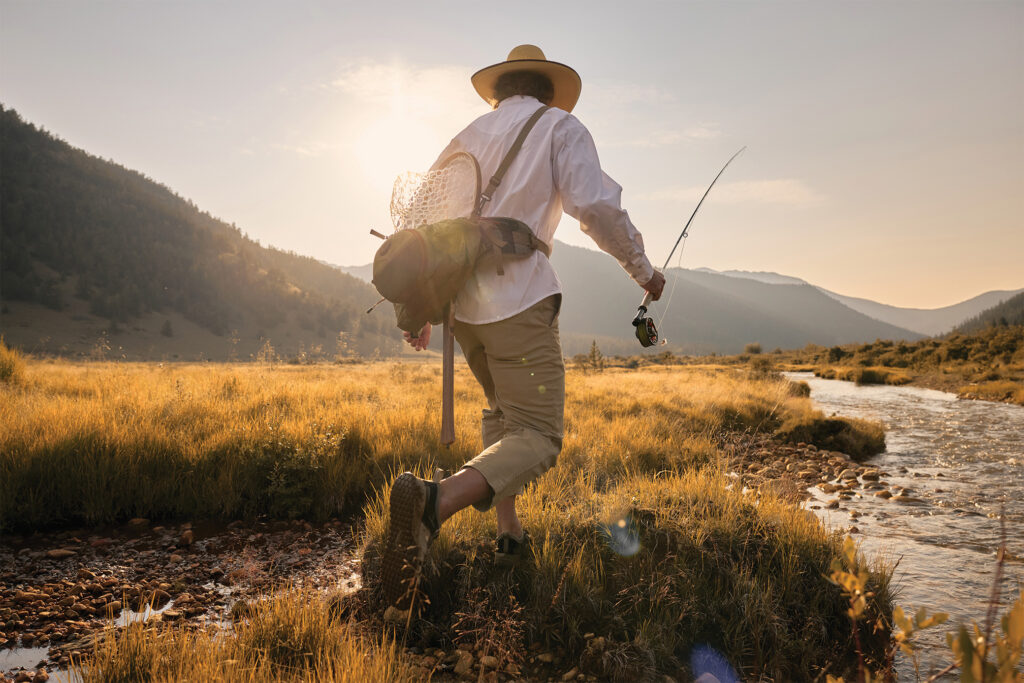
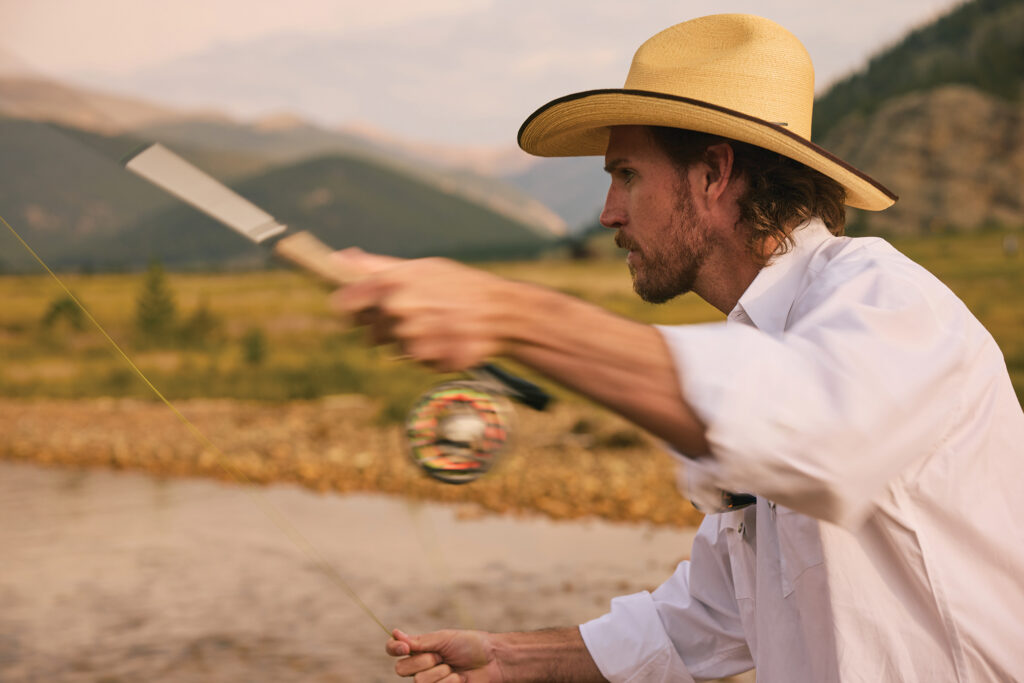
Prime Waters “The South Platte River is widely regarded as one of Colorado’s premier trout fisheries. Anglers travel from around the world to fish these waters because of both the quality of the fishing and the stunning natural scenery.”
Beginner’s Luck “Many first-time fly fishers are surprised by how relaxing and immersive the experience feels. Being surrounded by nature, listening to the water, and focusing on a simple cast often creates a feeling similar to meditation.”
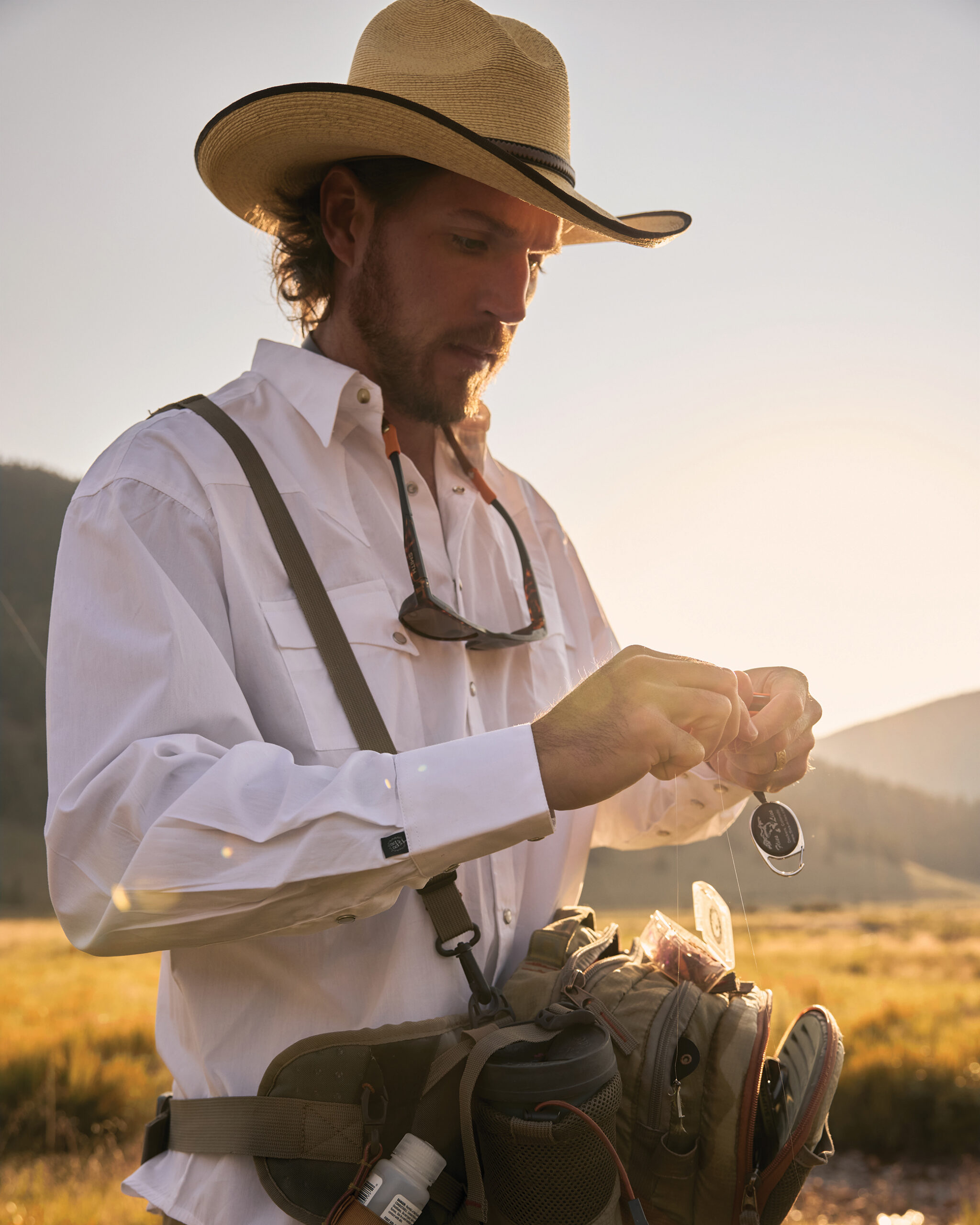
One for the Books “A young angler caught five fish, his father landed three. To top it all off, the boy caught a 23-inch trout. He couldn’t stop talking about it. Moments like that remind us that fishing isn’t just about catching fish. It’s about creating family memories that can last a lifetime.”
Gather ‘Round
Eventually, everyone ends up back at the lodge, and more often than not, around a table.
Executive chef Alex Calderón cooks over an open flame in a presentation kitchen overlooking the meadow as the creek trickles past. Fire is fashionable in restaurants these days. For Alex, who grew up cooking over it in Colombia, it’s simply familiar.
“I started making fire when I was really young,” he says. “Now everybody is cooking with fire because it’s a huge trend, and I have this opportunity to cook with fire here. It’s a nice coincidence.”
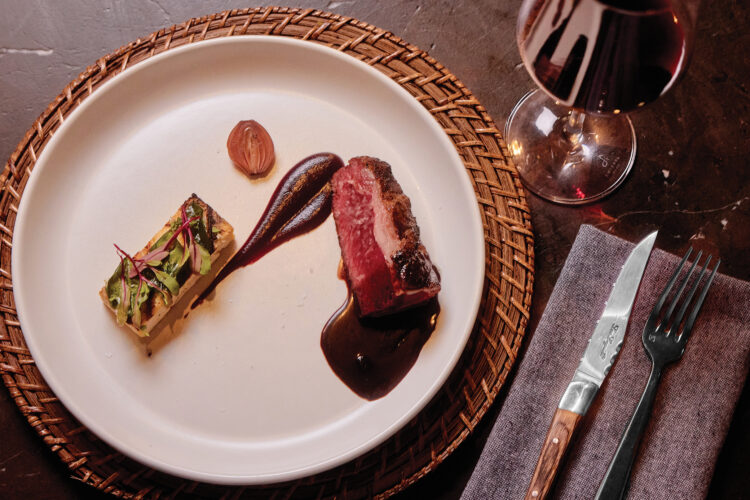
The menu brings his Colombian background and French culinary training into conversation with Colorado ingredients. His coffee-rubbed venison with Jerusalem artichoke purée, carrot mousseline, and bordelaise might be the clearest expression of it.
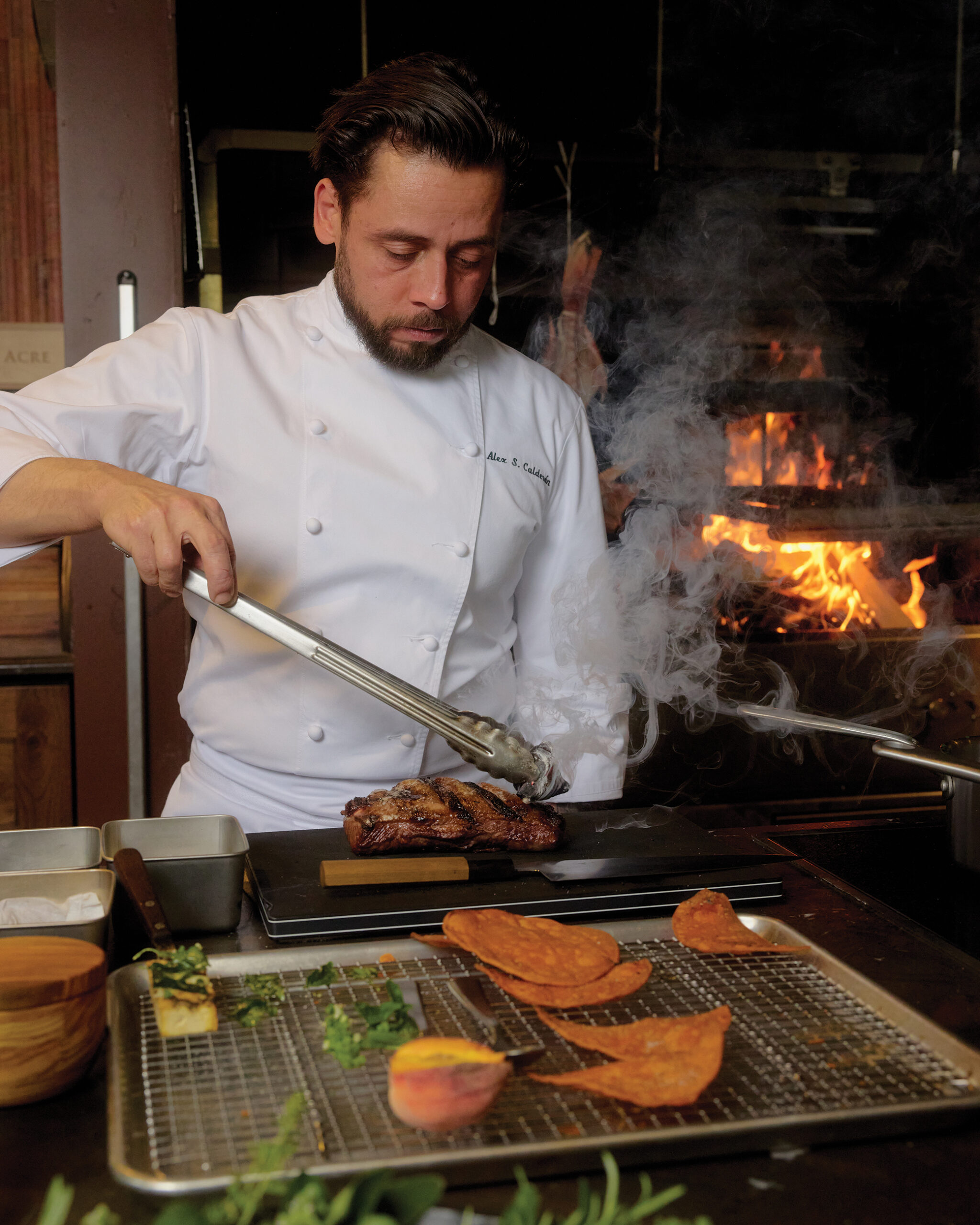
“It’s a very personal dish for me,” Alex explains. “Coffee is such an important ingredient in Colombian culture, so using it as part of the rub was a natural way for me to bring a piece of my heritage into a Colorado ingredient.”
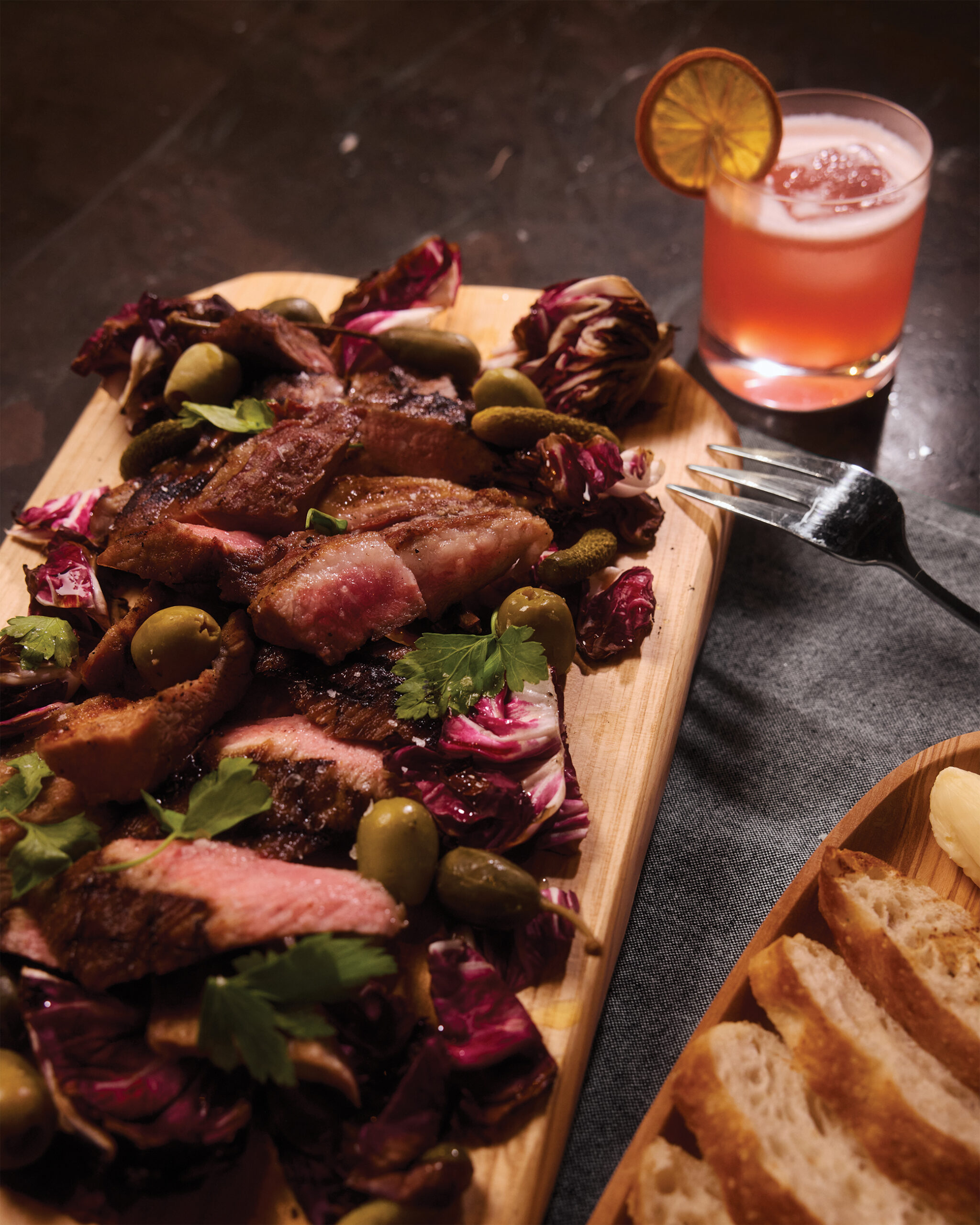
The lamb loin follows a similar instinct. It arrives with crispy fried polenta, beet gel, and a jus reduced slowly for 12 hours, the fat cap left on the meat to add flavor and shield it from the bitterness fire can impart. “That’s some of the things you gotta pay attention to when you cook with fire,” he notes.
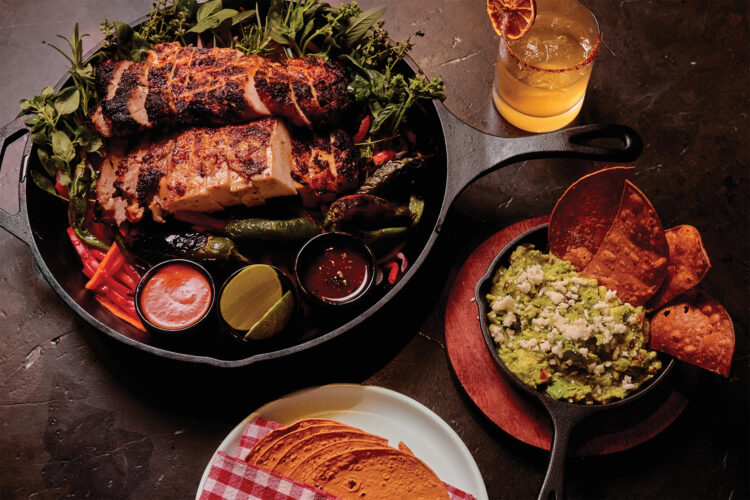
Lunch is more relaxed. A beloved chicken fajita spread was one of the few dishes Alex was instructed not to mess with when he arrived. He listened, mostly. The chicken is now deboned whole, and tortillas are made from scratch with guajillo chiles folded into the corn masa.
Dinner gets more composed, changing with the seasons and whatever the ranch garden and Colorado growers can provide. Herbs growing along the lodge deck find their way into both dishes and cocktails. The smokey spur, the ranch’s signature drink, combines bourbon, smoked maple, lemon, and cinnamon.
Still, Alex resists calling any of it fine dining. “We don’t want to be that super fine dining, because it usually makes guests feel uncomfortable,” he says. “I want people to come to the kitchen, talk to me, ask us questions. We want this to be interactive.”
That philosophy fits a ranch where dinner is served family-style, and strangers routinely find themselves sharing a table.
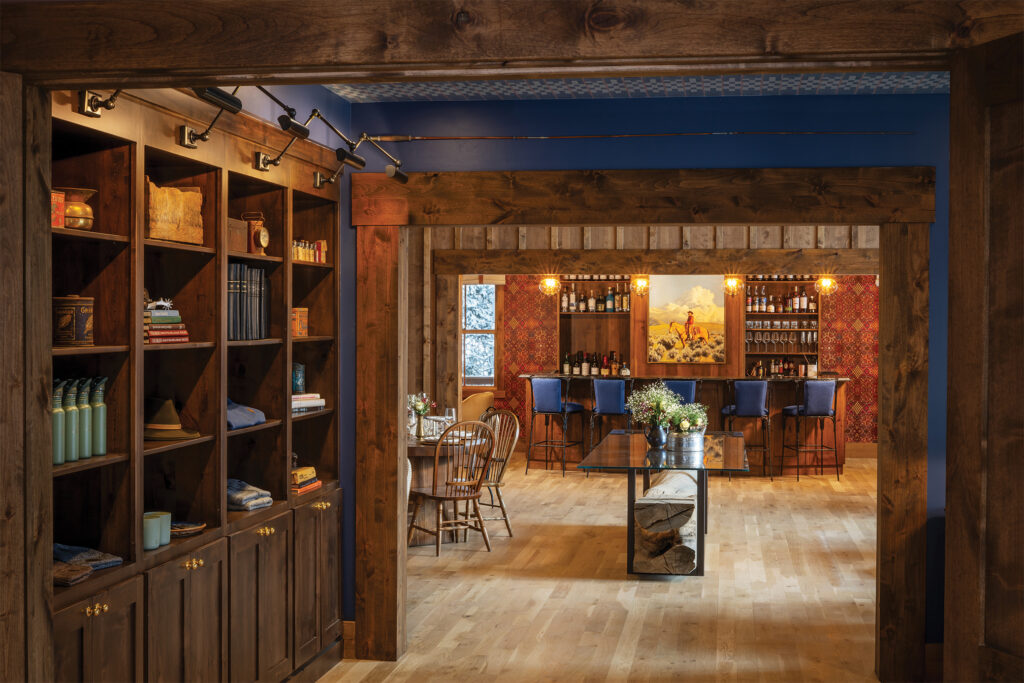
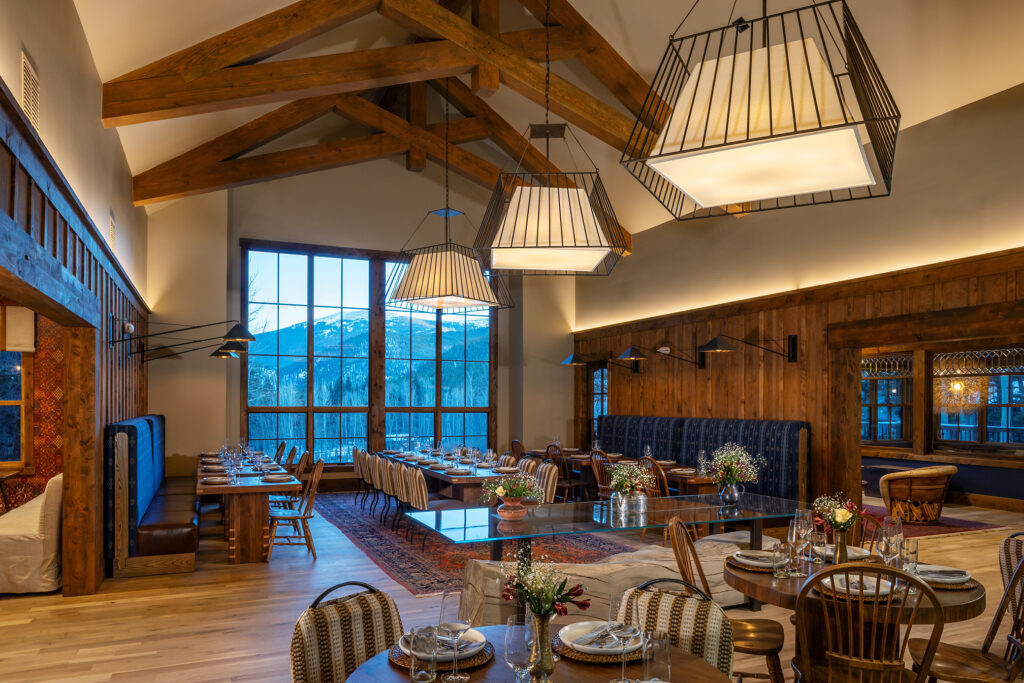
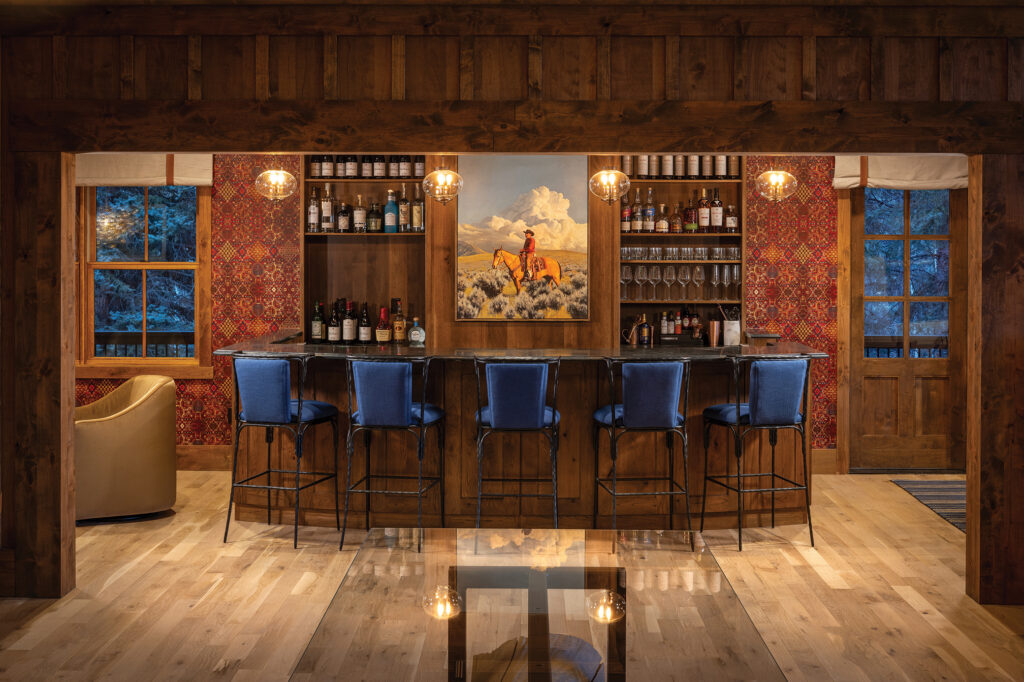
“Our biggest focus is the guest experience, and that starts from the moment of booking. We want to connect with them before they come and have them feel like they are going to a family escape.” — Coco Escudero, general manager
After the Ride
The Smokey Spur rewards a long day in the saddle with bourbon and smoked maple.
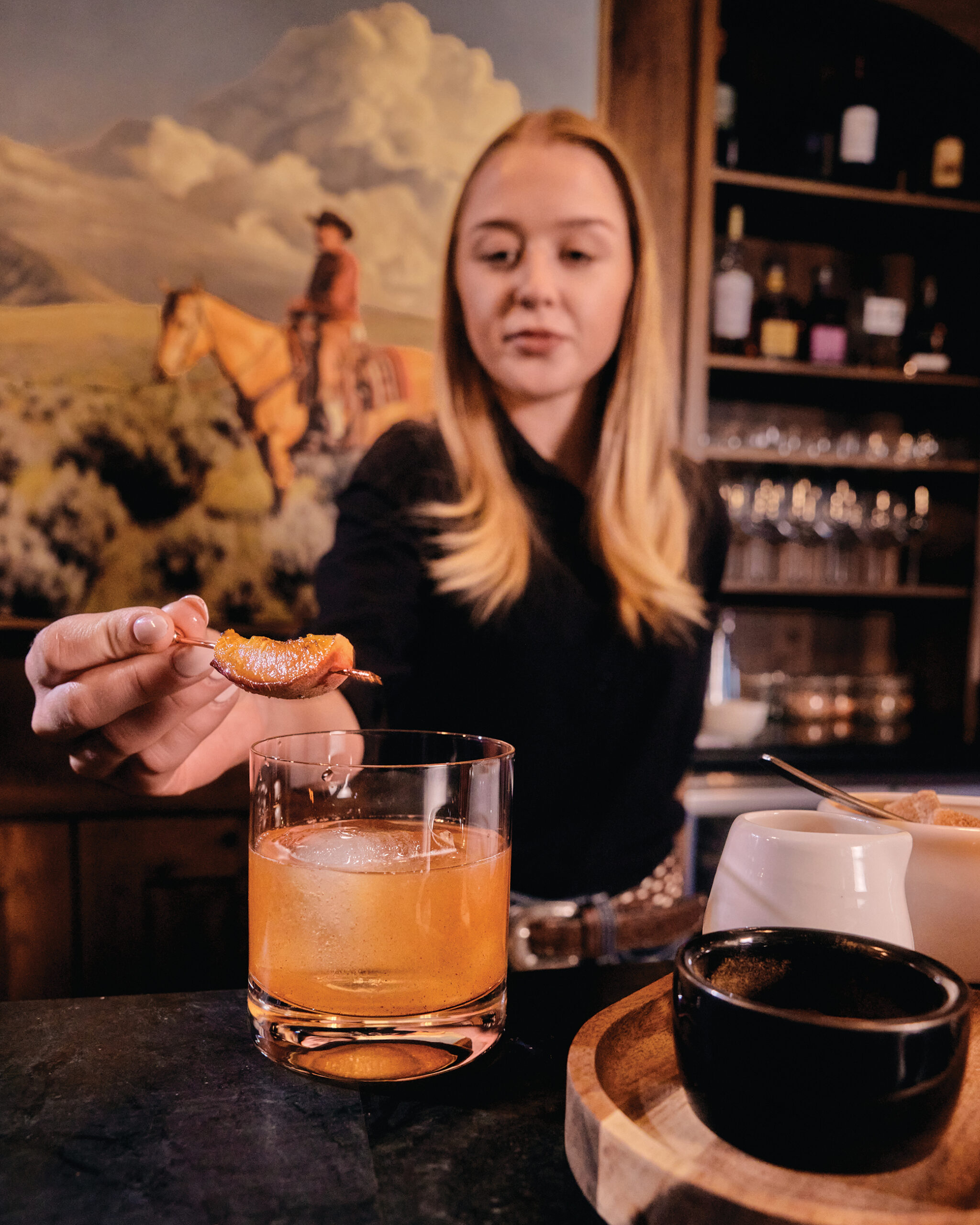
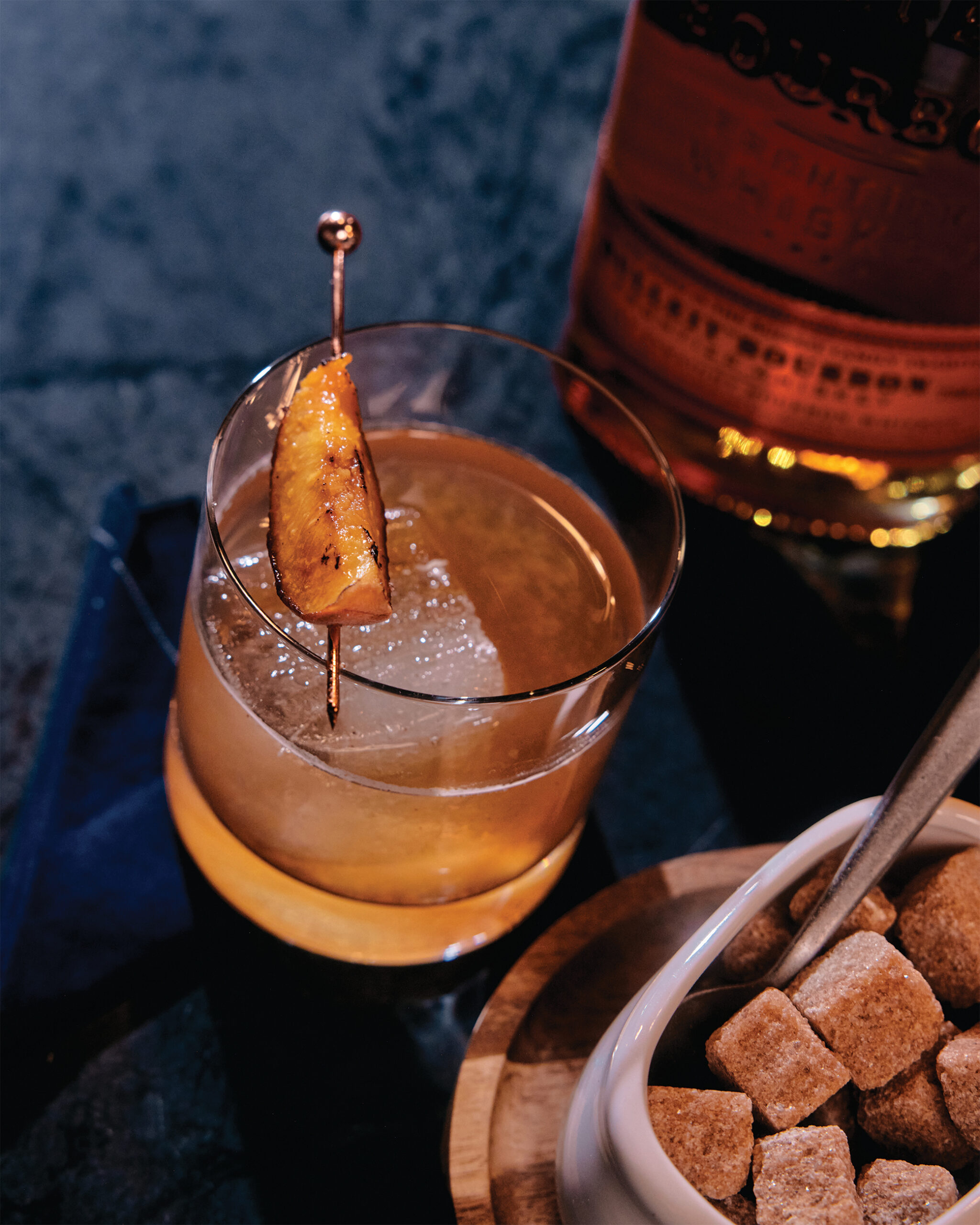
Smokey Spur
Ingredients
- 2 oz. bourbon
- 1 oz. lemon juice (fresh)
- ¾ oz. smoked bourbon syrup
- 1 pinch cinnamon
Smoked Bourbon Syrup
- 2 c. maple syrup
- 3 oz. bourbon
Directions
- Fill a cocktail shaker with ice.
- Add the bourbon, lemon juice, smoked bourbon syrup, and cinnamon.
- Shake well until chilled.
- Strain into a rocks glass over fresh ice.
Smoked Bourbon Syrup
- Preheat a smoker to 225°F.
- Pour the maple syrup into a disposable aluminum pan and smoke for 12 hours, preferably using mesquite wood.
- Pour the bourbon into a small saucepan and simmer over medium-low heat until reduced by half, to about 1½ ounces.
- Whisk the reduced bourbon into the smoked maple syrup until thoroughly combined.
- Let cool completely to room temperature before using, then store refrigerated in an airtight container.
Make Yourself at Home
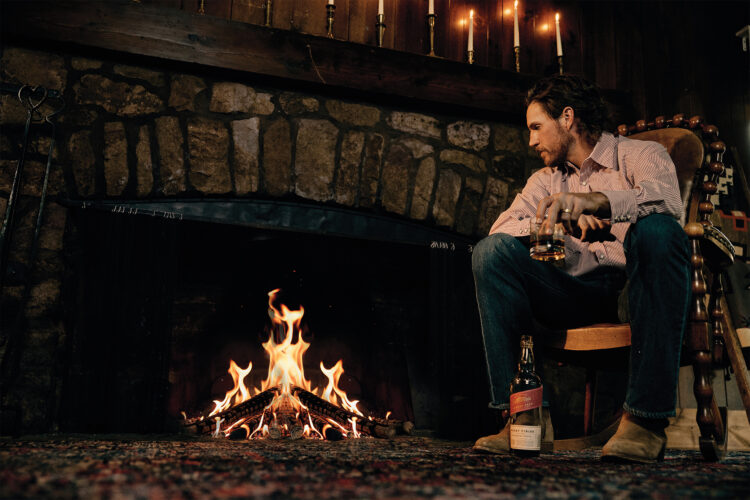
That communal spirit is intentional. General manager Coco Escudero wants guests to feel less like they’ve checked into a hotel and more as if they’ve arrived at the home of an unusually organized friend.
“Our biggest focus is the guest experience, and that starts from the moment of booking,” she says. “We want to connect with them before they come and have them feel like they are going to a family escape.”
By the time guests arrive, much of the planning has already happened. “They just show up, and it’s like visiting a longtime friend that has a fun time planned.”
The renovation was designed around much the same idea: improve what needed improving without sanding away the quirks that made Tumbling River feel like Tumbling River. “We were very intentional about making sure the details that gave the ranch its identity survived,” Coco says. “We kept the original unit names, reused historic furniture, and preserved the overall layout of the ranch rather than building new cabins.”
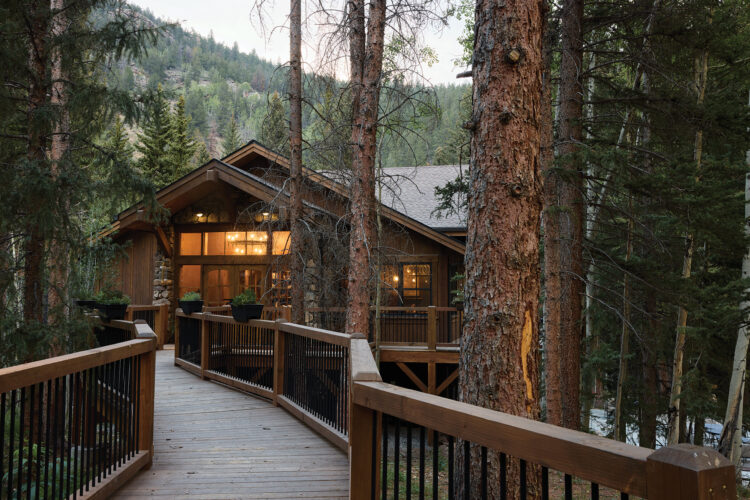
That meant making nearly century-old buildings work for modern guests without making them feel new. Plumbing, wiring, bathrooms, accessibility, and other decidedly unromantic necessities were updated behind the scenes. Original furniture stayed. So did old branding irons in the Trading Post. When an aging chair and World War II-era wool blanket were nearly discarded, the design team instead used them to reupholster the chair.
“The keepsakes are not there just as decoration,” Coco says. “They are pieces of the ranch’s history that have been carried forward.”
Avon-based Resort Design Architects and Denver’s Carma House of Design took the same approach throughout the property. Cabin exteriors and the original Ranch House were largely preserved, while interiors gained custom furniture, sustainable fabrics, handmade tile, cabinetry, and Waterworks fixtures with enough vintage character to look as though they might have always belonged.
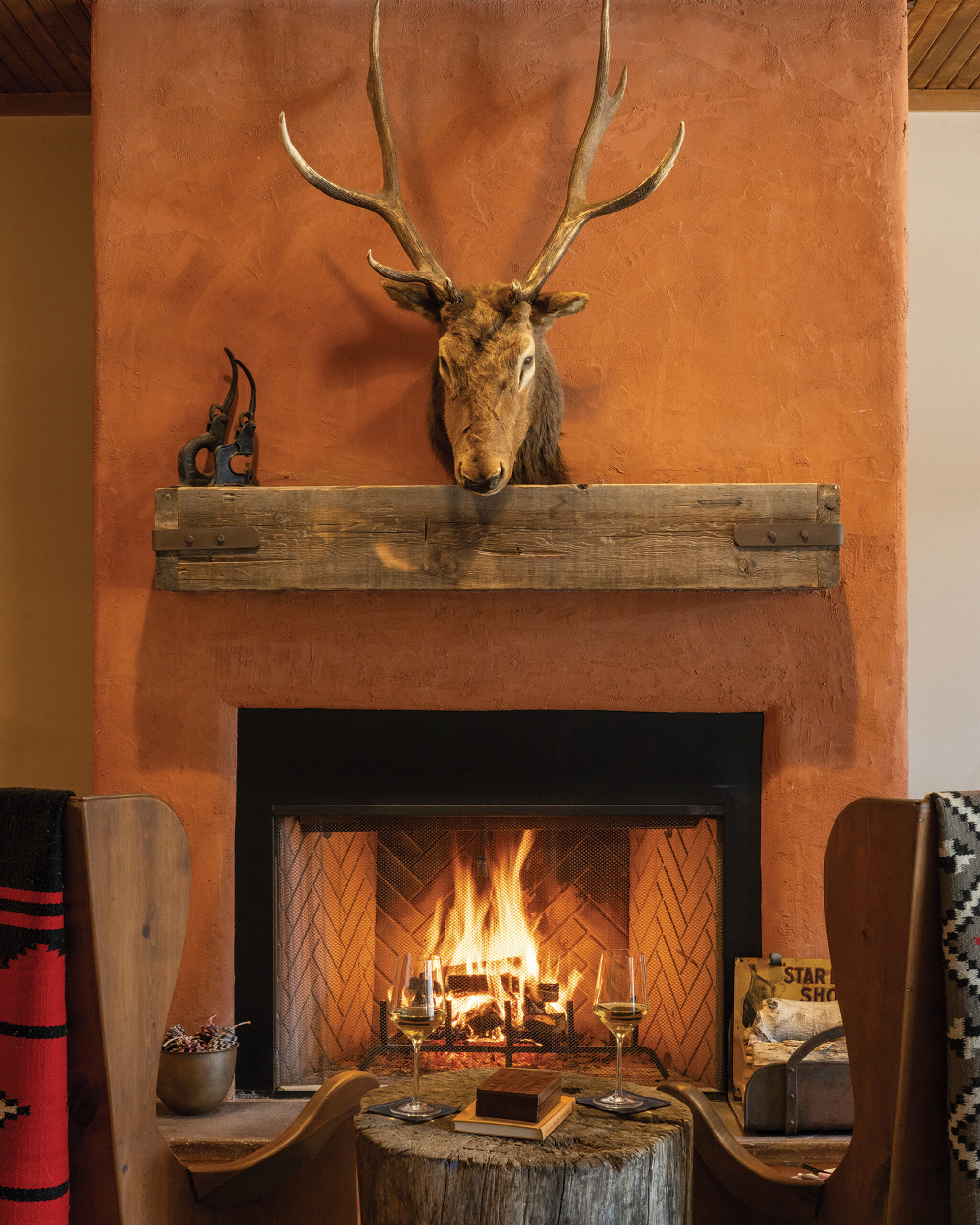
Kiva House underwent the biggest transformation. Once the owners’ private family home, it now contains guest accommodations named Meezie, Keyes, Mary Dale, Gordon, and Dugan, honoring the families that shaped Tumbling River after its 1946 founding.
“So although the function of the building changed dramatically,” Coco says, “we tried to make sure its connection to the ranch’s story became even stronger.”
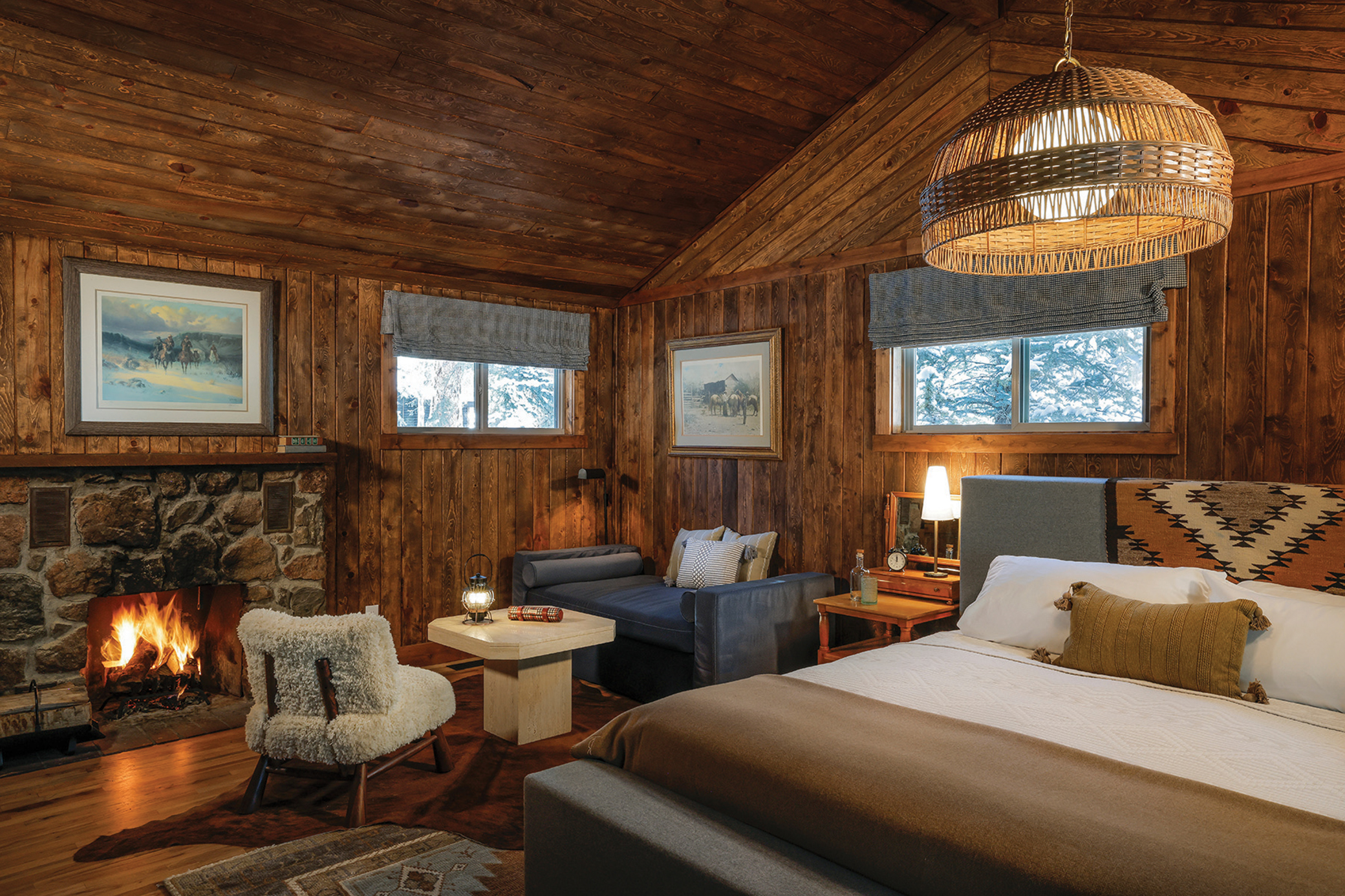
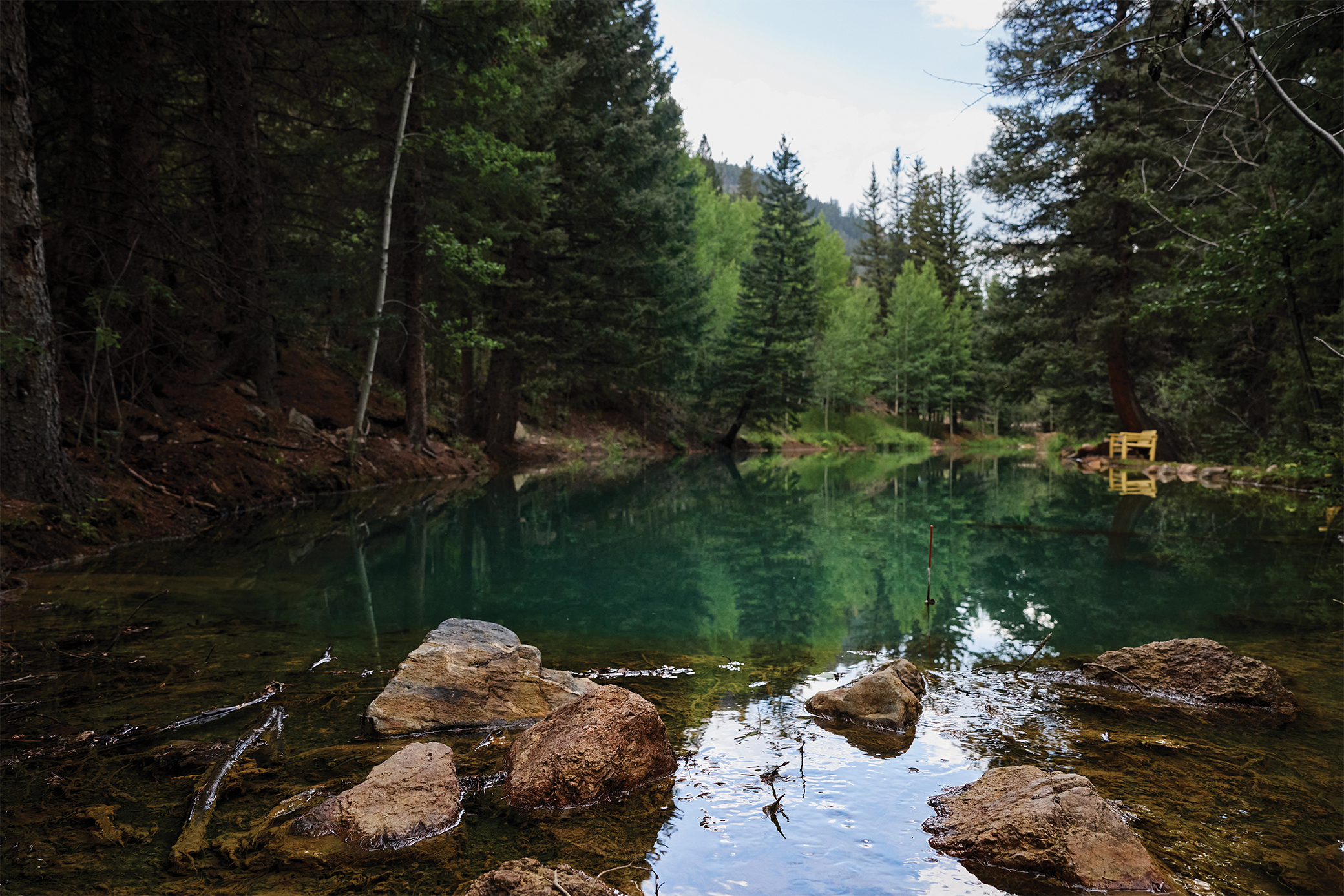
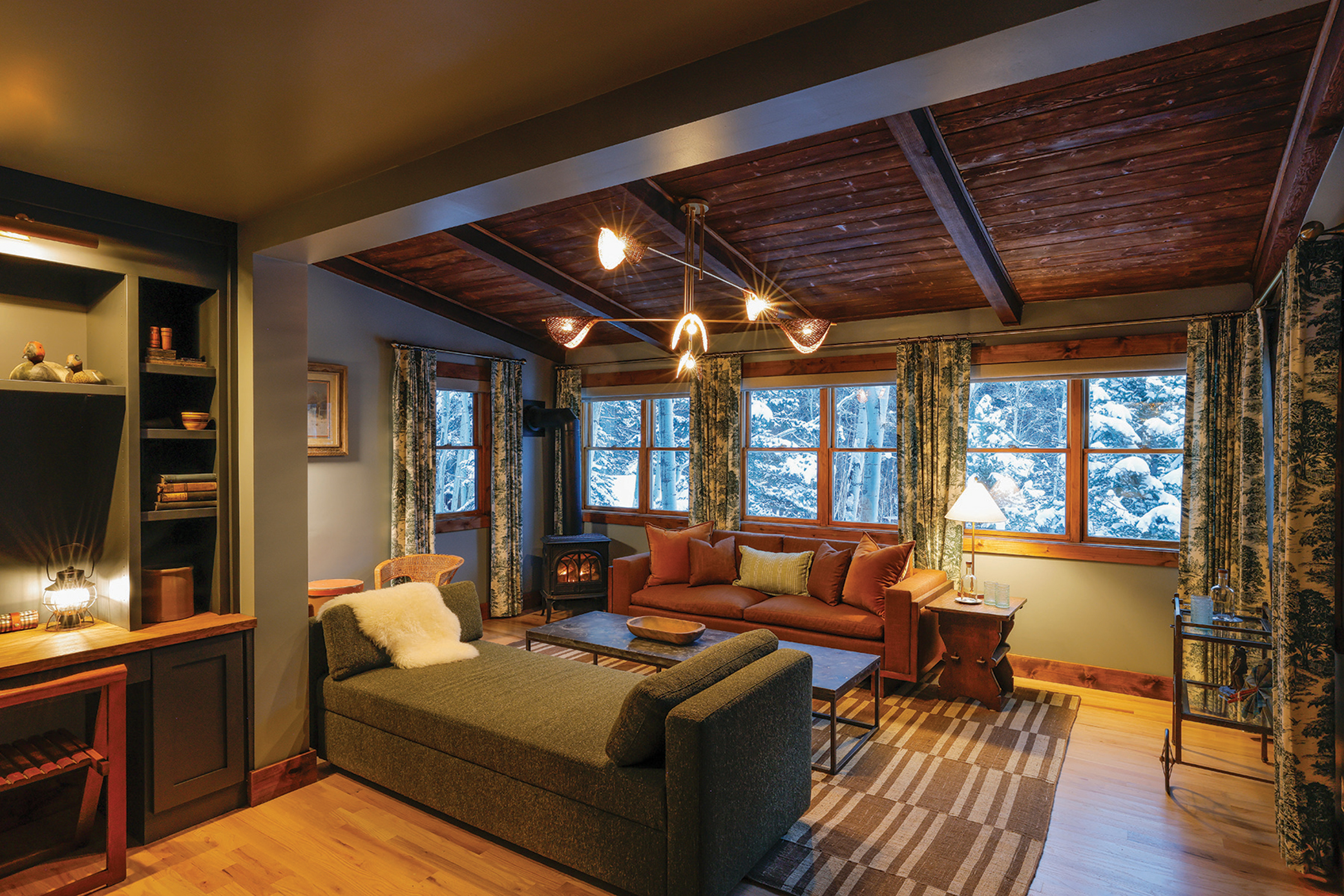
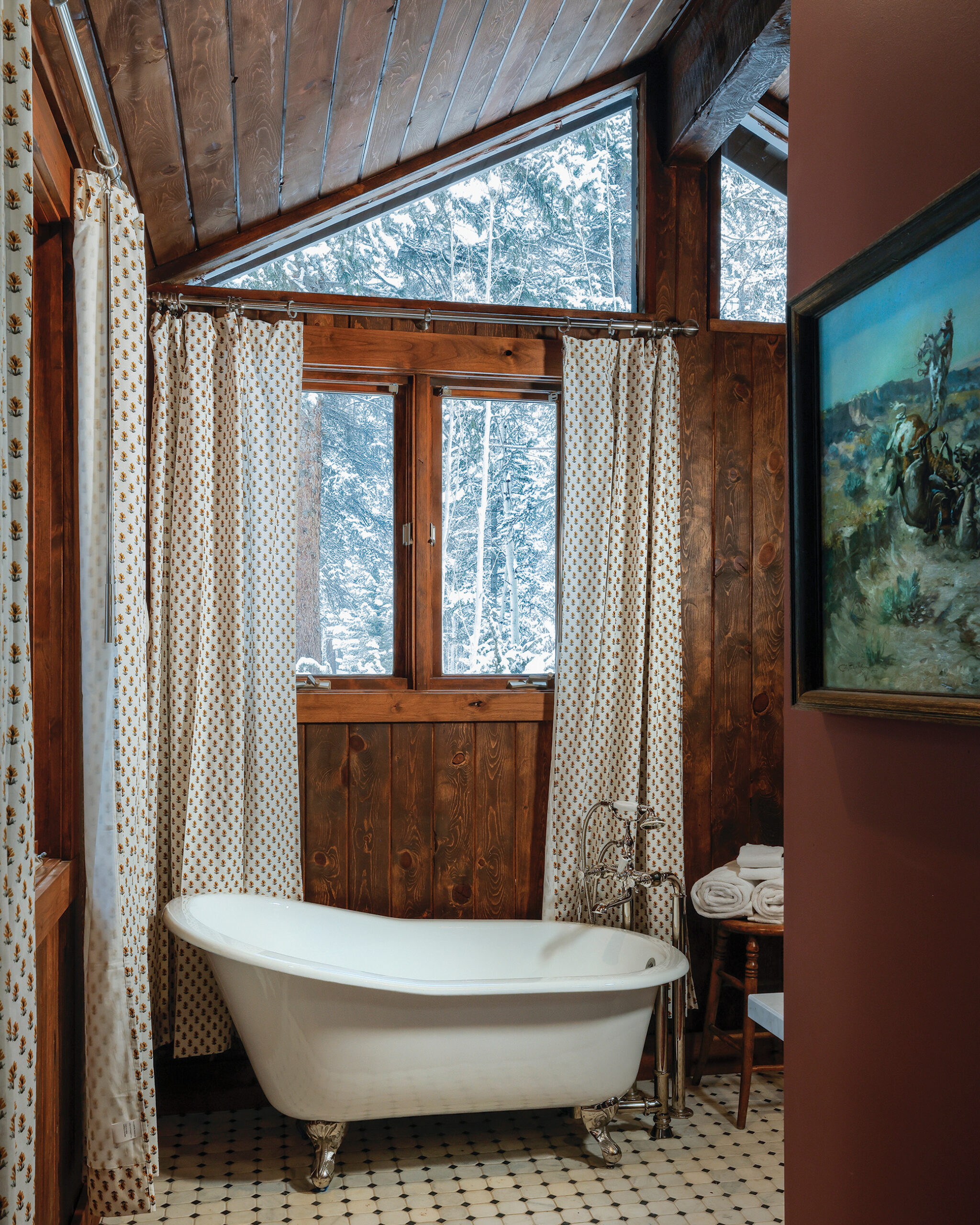
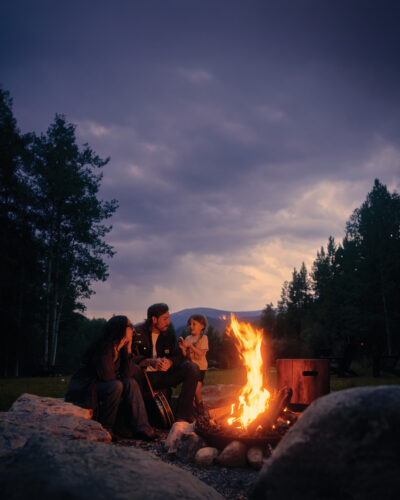
At the center of it all is the 5,500-square-foot lodge, its wall of windows framing the meadow and 12,000-foot Twin Cone Peaks. Downstairs there’s room for shuffleboard and line dancing. Outside, lounge areas and a large fire pit gather guests as the sun sets behind the ridge.
Some evenings end there with a guitar and a sing-along. Others disappear into the game room, where an enormous collection of board games operates on the honor system. Take one. Bring it back eventually. Nobody is keeping tabs.
That may be the best way to understand Tumbling River.
By dusk, smoke from the campfire drifts into the evening air, and the aspens quiver, catching the last light. Someone is pouring another drink. Someone else is coming back from the barrel hot tub down by the creek. A few people who were strangers at breakfast are making plans for tomorrow.
Eighty years ago, Meezie Keyes welcomed guests into this same valley without a cell phone, an online booking system, or much certainty about who might come down the road. She simply trusted that people would.
They still do.
The renovation gave Tumbling River better plumbing, better mattresses, and a few very nice soaking tubs. What it didn’t have to manufacture was the reason people come here in the first place. That was already built in: horses in the meadow, trout in the river, dinner around a shared table, and enough quiet to hear all of it.
The ranch’s next chapter may look different, but it begins the way every one before it did: with an open door and a place at the table.
How the West Is Worn
After outfitting the hands at Tumbling River Ranch, we look back at 80 years of Rockmount Ranch Wear and the family behind the iconic Western brand.
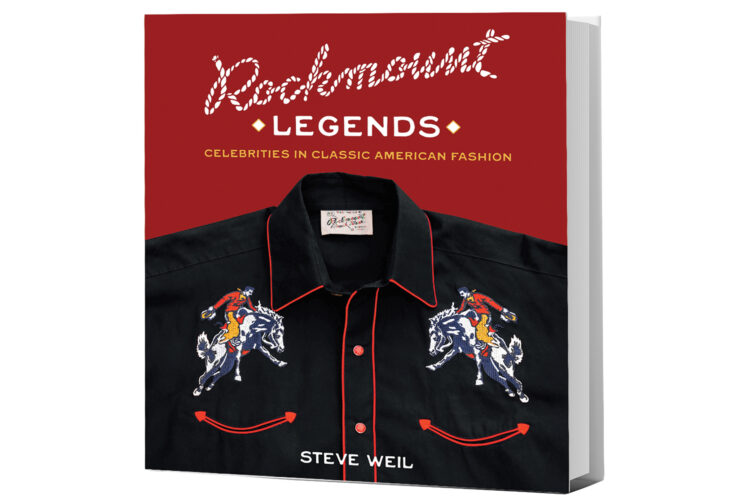
In the late 1980s, Steve Weil was watching old Elvis Presley footage when something on screen stopped him cold. He recognized the shirt. It was a Rockmount, one of his father’s designs from the 1950s. Steve dug through the family archive, found the pattern, brought it back into production, and watched it promptly sell out. That discovery turned the third-generation owner of Rockmount Ranch Wear into a detective of his own family’s history, a pursuit that eventually became his third book, Rockmount Legends: Celebrities in Classic American Fashion.
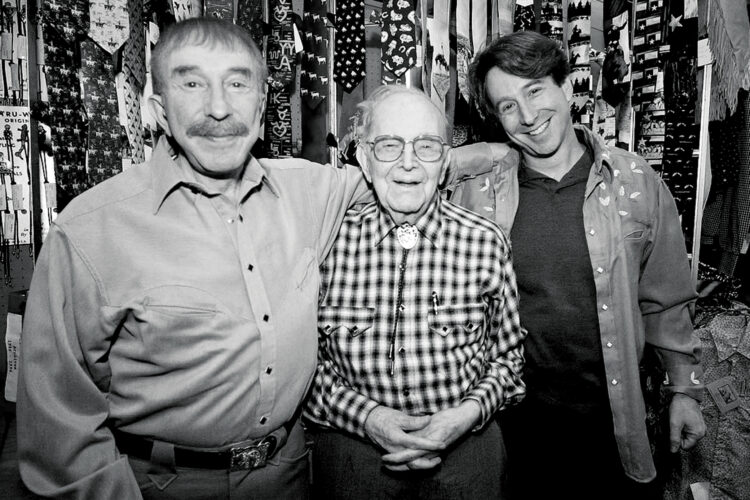
Steve didn’t grow up planning to run a western shirt company out of a 1909 warehouse on Wazee Street. Rockmount was founded in Denver in 1946 by his grandfather, Jack A. Weil, better known as “Papa Jack,” who helped turn the snap-front Western shirt from workwear into an American fashion icon. Steve studied law in England, decided the world didn’t need another lawyer, and returned to Denver in 1981 to work alongside him. Papa Jack kept showing up to the office until he died at 107, fond of saying Rockmount wasn’t only selling clothes. It was selling the romance of the American West.
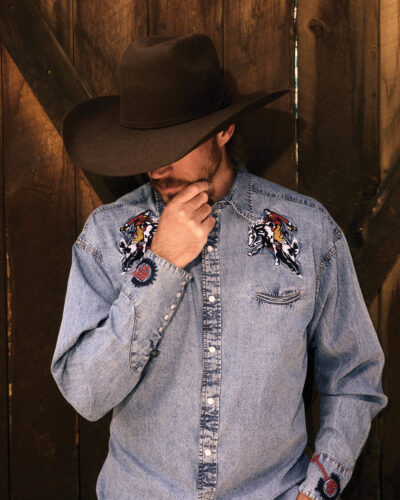
The archive became part history lesson, part design studio. Steve started pulling vintage shirts out of storage and putting them back into circulation, tweaked just enough to feel new again, including a quarter horse print from the 1950s that found its way back onto shelves decades later.
That approach has put Rockmount on everyone from Bob Dylan and Bruce Springsteen to Eric Clapton and Robert Plant, not through endorsement deals, but because the artists wanted to wear it. “Bob Dylan paid for Rockmount the same way we pay for his music,” Steve says. When Clapton needed shirts in a hurry for Cream’s reunion at Royal Albert Hall, Steve flew to London himself and delivered them by hand.
Rockmount’s other secret is that it rarely looks beyond its own walls for ideas. “We don’t look at others for inspiration,” Steve says, and other brands borrow from Rockmount, not the other way around. That independent streak produced the relaxed-fit shirt, now an industry standard, and has kept the sawtooth-pocket, diamond-snap shirt in continuous production longer than any other shirt design in America, according to the company.
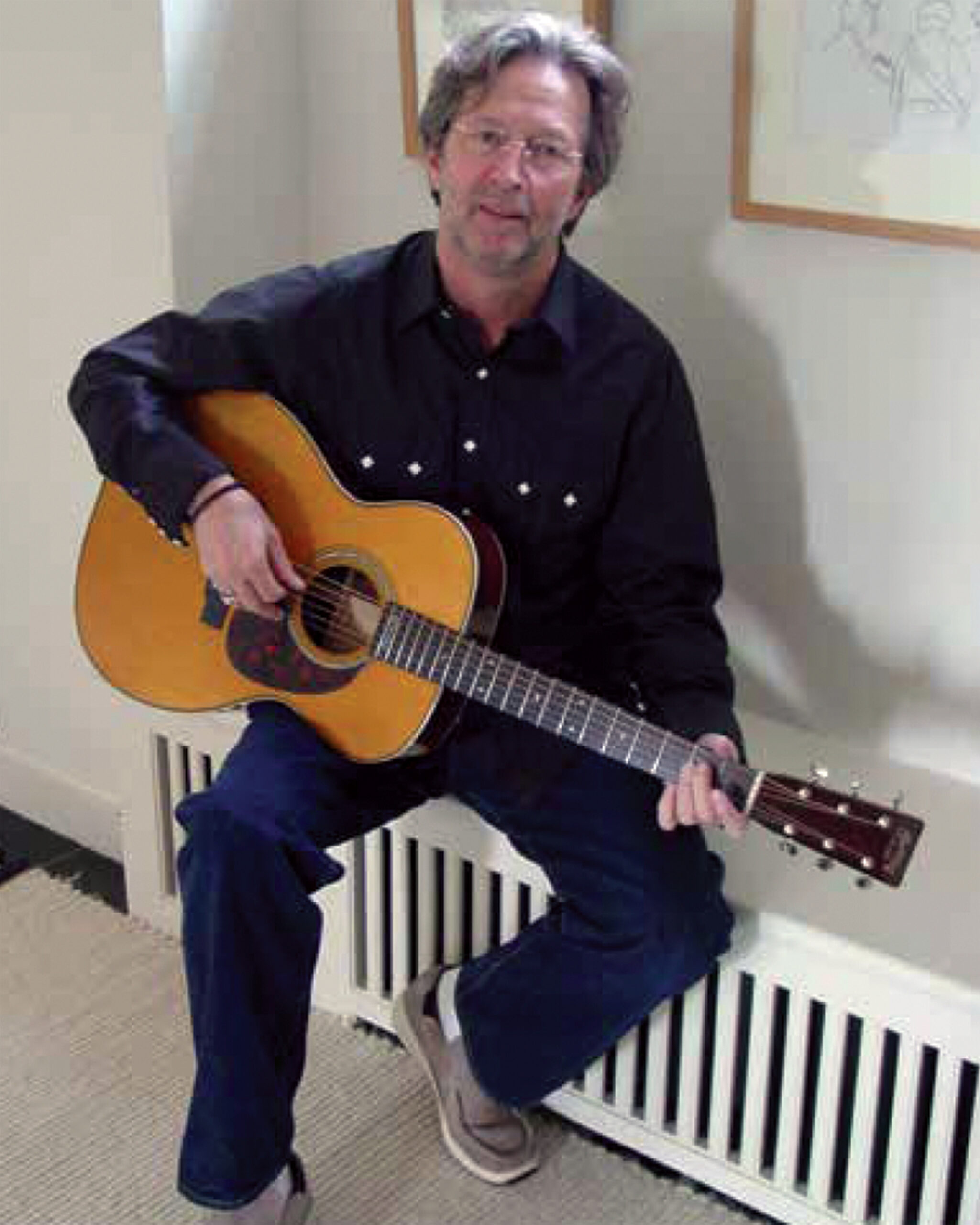
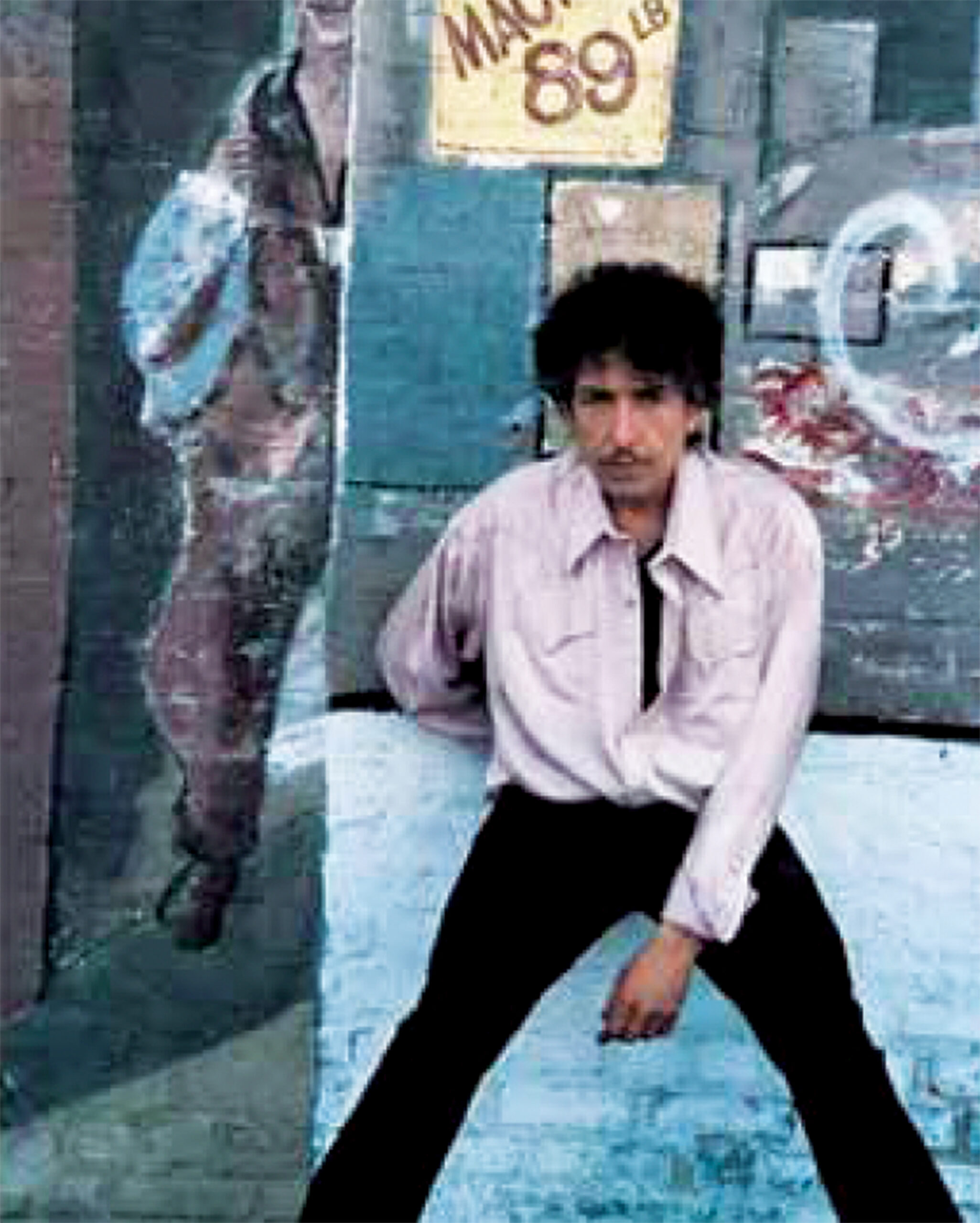
All of that history is what finally fills Rockmount Legends, released this past spring by Gibbs Smith. The 188-page hardcover pairs Rockmount’s archive of catalogs, correspondence, and decades of designs with the stories of more than 200 celebrities who’ve worn the brand, organized by sections, closing with the famous faces themselves. It’s the capstone of a trilogy: after chronicling the Western shirt itself in Western Shirts: A Classic American Fashion and his grandfather’s aphorisms in Ask Papa Jack, Steve calls this one “the intersection between art and popular culture.” Much of it grew directly out of that Elvis discovery, as Steve kept turning up more names—Dylan, Clark Gable, Marilyn Monroe—hiding in plain sight in his own family’s history.
This year brings another chapter. Rockmount turns 80, and Steve’s son, Colter, has joined the company after leaving a career in banking, becoming the fourth generation in the family business. Rockmount has survived this long not by treating its history as untouchable, but by continually putting it back to work. As Steve puts it, standing inside a store where the past has not gone entirely out of style: “Nobody needs another boring shirt.”
Ranch Crew
For print-exclusive stories, download the digital magazine or pick up a copy from select local King Soopers, Safeway, Tattered Cover, or Barnes & Noble locations.