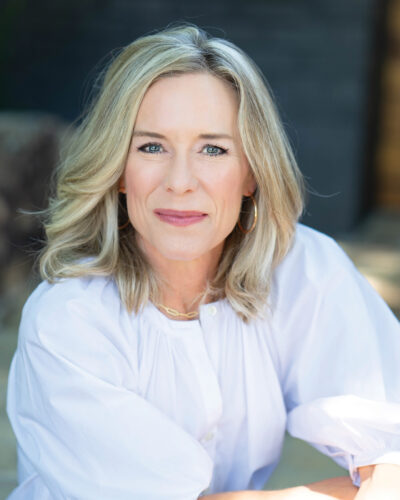
Katie Trexler spent years telling other people’s stories. Eventually, she realized she needed to tell her own. The Denver journalist and former morning news anchor had long imagined writing a book, but the subject didn’t reveal itself until years into raising twins, navigating a demanding career, and wrestling with a question familiar to plenty of women: How do you give yourself fully to the people you love without giving yourself away in the process?
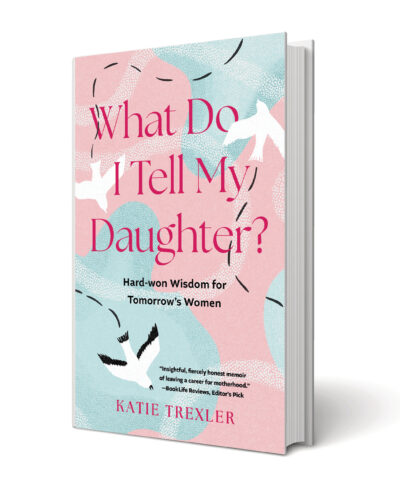
That tension is at the heart of Katie’s What Do I Tell My Daughter?, a candid look at motherhood, ambition, marriage, identity, and the often-unspoken costs of putting your own life on the back burner.
“I first realized that when I made the difficult decision to leave my dream job as a morning anchor in Denver, my hometown, to support my then-husband’s career,” she said. “I had no idea how that choice would impact my identity, sense of self, and earning power for years to come.”
Katie loved being a mother, but leaving television exposed an uncomfortable truth: fulfillment in one part of life didn’t automatically replace fulfillment in another. Shortly after leaving the station, an acquaintance asked her, “How does it feel to no longer be someone?” Ouch.
The remark stuck, in part because Katie wondered whether there was some truth buried inside its cruelty. “Being with my children filled my heart, but other parts of me felt empty, unfulfilled, and underutilized,” she explained.
Years later, when her marriage unexpectedly ended, questions about the choices she had made resurfaced with new urgency. Reinventing herself professionally in public relations ultimately gave Katie both meaningful work and the flexibility she wanted as a mother. It also provided something she hadn’t fully appreciated she might someday need: the ability to support herself.
The book’s title grew from the question Katie kept returning to as she considered what lessons she wanted to pass along to her daughter. Her answer isn’t that women should choose careers over families, or vice versa. It’s that the choices are complicated, sacrifices should be shared, and the promise of effortlessly “having it all” deserves a little more scrutiny. “The problem wasn’t wanting both a career and family,” she says. “It was believing I could give 100 percent to both roles all the time.”
Ultimately, Katie hopes her story opens a larger conversation, not just between mothers and daughters, but among families and generations. “I want women to know it’s okay to love being a mom, and also recognize that we might need more to feel complete as a person,” she says. “That doesn’t make you selfish; it makes you human.”
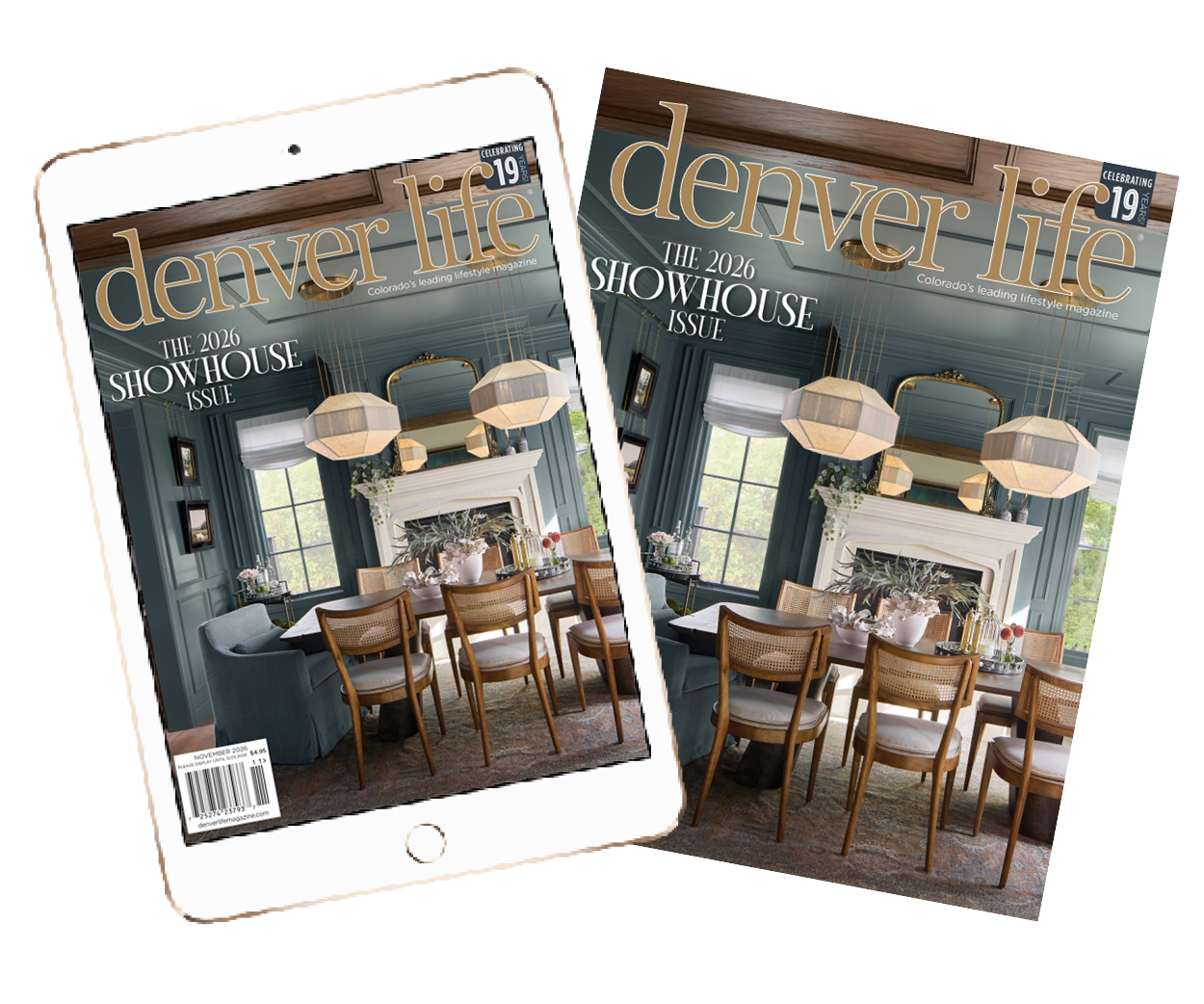
For print-exclusive stories, download the digital magazine or pick up a copy from select local King Soopers, Safeway, Tattered Cover, or Barnes & Noble locations.