In Denver, the name Cleo Parker Robinson doesn’t need much introduction. For decades, she has been a defining force in the city’s cultural landscapes within the arts: part artist, part educator, part visionary. Long before “community engagement” became a buzzword, Cleo was already doing the work by building spaces where dance could tell stories, bridge cultures, and unite people of every stripe and spirit.
She founded Cleo Parker Robinson Dance in the early 1970’s with a mission rooted in the traditions of the African diaspora. But from the start, it was less about performance and more about people. The studio became a place where dancers of all levels—professionals, students, and novices—could step in and feel a sense of belonging.
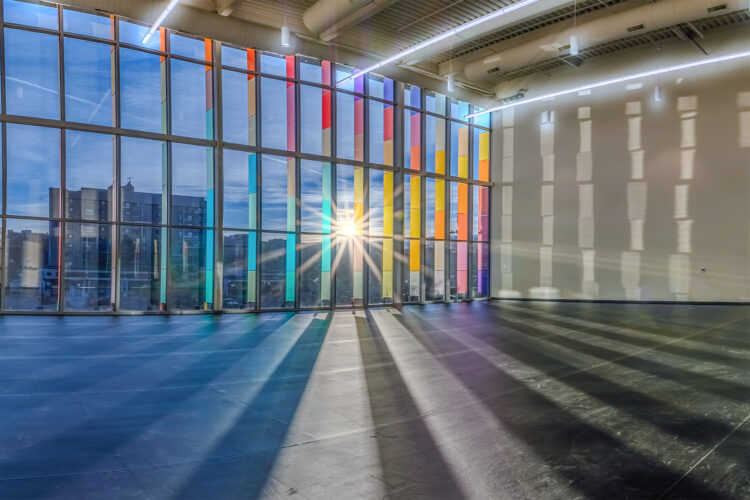
Over the years, that ethos turned the organization into something much bigger than a dance company. It became a cultural milestone. Generations of Denverites have passed through its studios, whether training competitively, attending performances, or simply showing up to experience the power of movement. The work onstage has always been vibrant and globally influenced, but just as important is what happens offstage: education programs, community outreach, and a deep commitment to accessibility.
And like any institution that lasts, Cleo Parker Robinson Dance has never stood stagnant.
As Denver has grown and changed, so has the organization, expanding its programming and reimagining the power of dance. Recently, this evolution has taken on more of an intentional focus: wellness.
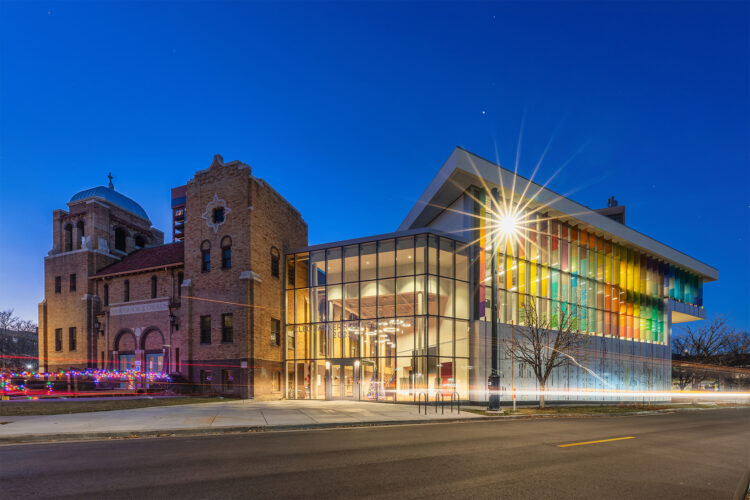
Enter the Cleo Parker Robinson Center for the Healing Arts.
The newly expanded space marks a significant next chapter for the organization, transforming the campus into something that feels less like a traditional dance studio and more like a holistic hub.
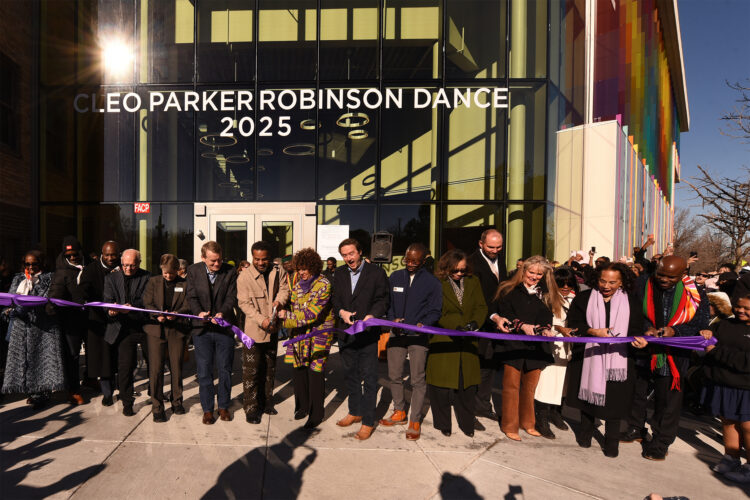
The Center for Healing Arts is designed to welcome not only dancers, but anyone seeking a different type of experience, whether that’s stress relief, self-expression, or simply a new way to move. This programming blends traditional dance training with wellness-focused offerings, creating an environment that feels restorative.
In other words, you don’t need to be a dancer to belong at Cleo Parker Robinson Dance.
The new expansion capitalizes on inclusivity and accessibility. It opens the door to people who may have never considered walking into a dance studio before, reframing movement as something for everyone.
In the same breath, the organization hasn’t lost sight of its artistic roots. Performances, professional training, and cultural programming remain central to Cleo Parker Robinson Dance’s identity. The expansion enhances this work, giving artists even more room to create.
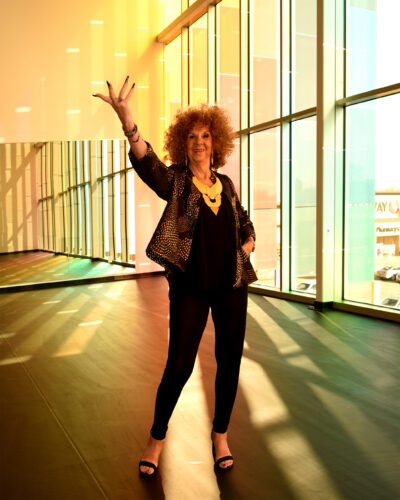
However, every major change brings its fair share of rewards and hurdles. “The transition is joyful and challenging. We have doubled our space, and with that are the adjustments which come with the new building systems, updated technology, the wonderful benefit of increasing our capacity to grow programs, develop new choreography, and serve students and the community,” explains Cleo. “We have welcomed several new members to the team, and are delighted about the new energy and talent that uplifts so much of our work in dance.” The Center for the Healing Arts doesn’t read as a departure from the organization’s past, but rather an extension of it. Cleo’s vision comes to fruition: that art doesn’t just inspire, it heals. For her, dance was never solely about what happens onstage. It’s about what happens within people—how movement can shift perspective, unify, and even heal.
Denver’s arts scene is evolving, and Cleo Parker Robinson Dance remains at the forefront. Cleo achieves this not by chasing trends, but rather by staying true to herself and her beliefs.
So, whether you’re a lifelong dancer, a curious newcomer, or someone just looking for a healing experience, the invitation is clear: step inside, move a little, and see what happens.
For print-exclusive stories, download the digital magazine or pick up a copy from select local King Soopers, Safeway, Tattered Cover, or Barnes & Noble locations.