Colorado may boast nearly 300 days of sunshine a year, but for gardeners, that brightness comes with a constraint. We have a short, unpredictable growing season that’s shaped by altitude, cold nights, and sudden weather shifts. Wild Mountain Seeds is combating that challenge by cultivating not only vegetables, but a more resilient vision for high-country agriculture.
Set on a sixth-generation ranch in Carbondale, the operation marks a new chapter in the land’s long story. Founded in 2013 by seed saver and plant breeder Casey Piscura, Wild Mountain grew from a simple yet innovative idea to adapt crops at high elevation so they learn to endure. “Seeds grown here have to mature faster and tolerate cold,” says farm manager Justin Blumenthal. “When they’re planted at lower elevations, they often outperform conventional varieties.”
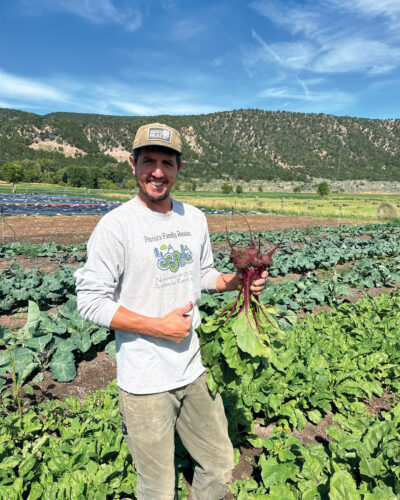
Justin likens the seeds to endurance athletes. Like runners training in thin mountain air, plants raised in the Rockies build strength through practice. The farm emphasizes holistic management principles. The fields serve as a living laboratory for adaptive breeding, where traits like cold tolerance, early maturity, and disease resistance are selected season after season.
Among the farm’s most beloved offerings is Desert Spirit Culinary Landrace Winter Squash, a radiant mix of shapes, colors, and flavors developed through years of careful cross-pollination and selection. “It was Casey’s passion project,” Justin emphasizes. “He let different squash varieties mingle in the field and then chose the sweetest, longest-lasting, and most resilient fruits to carry forward.”
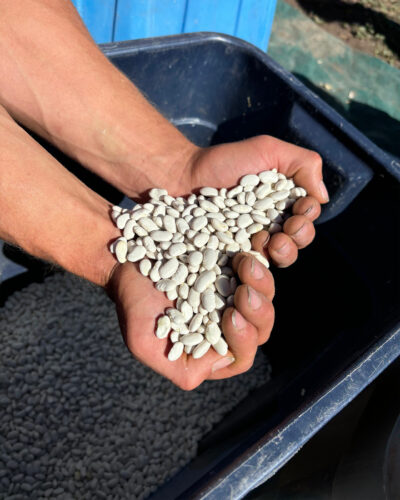
That same spirit of curiosity extends throughout the seed collection. Tomatoes are developed to withstand chilly nights, resist cracking, and thrive in greenhouse conditions. Painted Mountain corn, descended from Native American heirloom varieties, stands out for its deep maroon kernels and rich flavor.
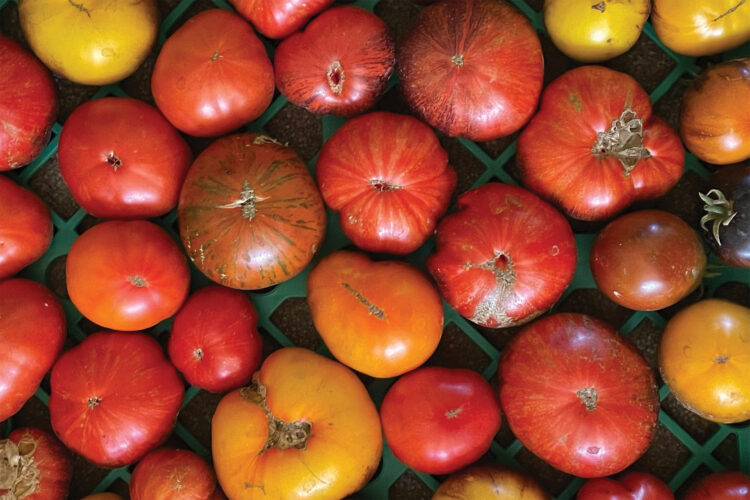
Today, the seed company serves market farmers, home gardeners, and fellow breeders drawn to the seeds’ adaptability and striking diversity. Its Colorado-bred varieties are now available for purchase online, bringing high-altitude genetics to gardens far beyond the Rockies.
Education remains central to the mission. Classes and apprenticeships focus on things like seed saving and season extension, helping local growers reclaim a measure of food sovereignty in a region where much of the produce arrives by truck.
Though Casey passed away in early 2025, his work continues. Looking ahead, the team plans to expand its seed catalog, deepen collaborations with regional farmers, and a 2026 CSA program. In a landscape that demands adaptability, Wild Mountain is quietly proving that the future of farming can be grown, not shipped in.
For print-exclusive stories, download the digital magazine or pick up a copy from select local King Soopers, Safeway, Tattered Cover, or Barnes & Noble locations.