Every summer, the return of The String Cheese Incident to Colorado feels less like a tour stop and more like a true homecoming, because for this band, it genuinely is one. Born from the ski towns and mountain culture of the Rockies, SCI has deep roots here, and their fans know it. They plan entire weekends around the band’s annual Red Rocks run, hauling coolers into parking lots before noon, reconnecting with friends they may only see a few times a year, and settling into the familiar rhythm that follows SCI from town to town. This summer, the six-piece returns to the Center for the Arts in Crested Butte for a pair of shows June 3–4 before taking over Red Rocks July 17–18.
For most bands, Colorado would simply mark another stop on a summer schedule. For SCI, Colorado has never just been a market. It’s the place that built them.
Long before sold-out Red Rocks shows and festival headlining slots became routine, the group was a collection of ski bums piecing together gigs across mountain towns. Their very first performance, back in 1993, wasn’t at a legendary venue or major festival. It was a locals’ talent show in Crested Butte.
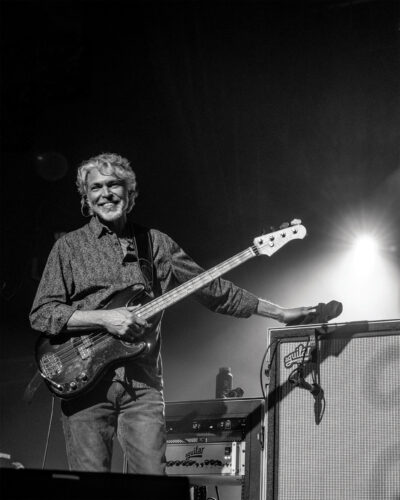
Colorado’s mountain culture wasn’t just influencing the band’s early years. It became the foundation of its identity. “When the band began, we were all kind of ski buming it,” says bassist and founding member Keith Moseley. “We got together sharing a common interest of music, but also of the outdoors: skiing, hiking, that kind of thing. We were definitely a Colorado band through and through.”
That spirit still runs through SCI’s DNA more than 30 years later. Even as the band evolved into one of the most influential acts in the jam scene, blending bluegrass, rock, funk, and electronic music into something unmistakably their own, the roots remained firmly planted in Colorado soil.
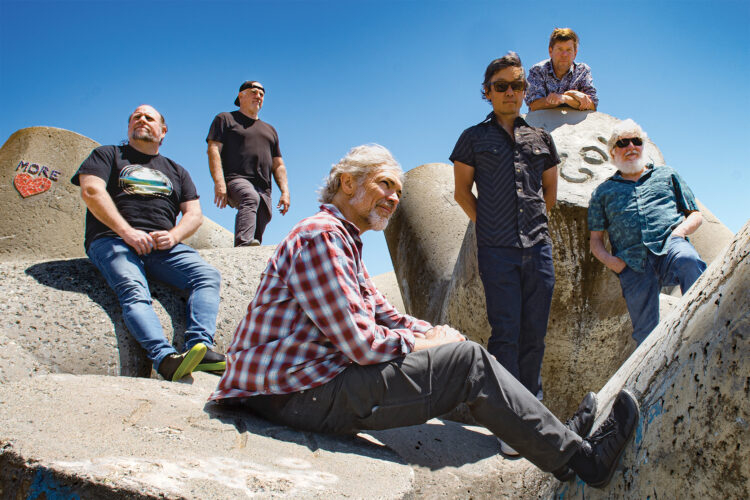
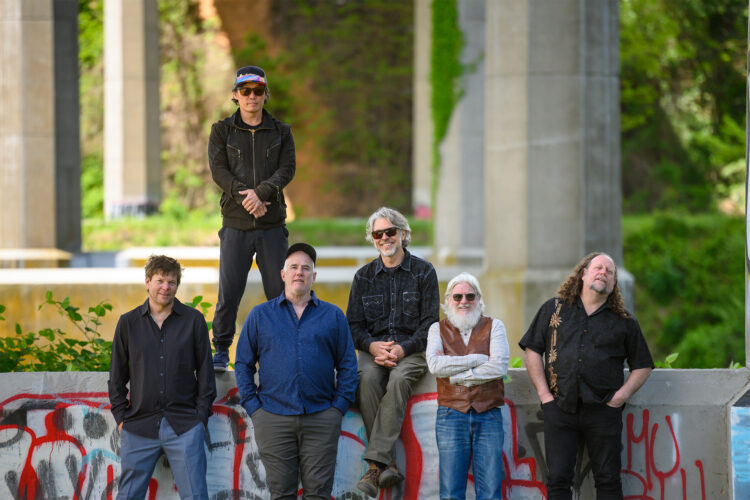
Photo by Woody Carroll.
In those early years, they built a following the old-fashioned way: relentless touring, festival appearances, and word of mouth. Before streaming, GPS, or social media, there was a shared cell phone, a road atlas spread across the dashboard, and a repurposed ski-town shuttle bus carrying the band from stage to stage. “We tore the seats out and built bunks in it,” Keith chuckles. “For the next three or four years, we were on the road constantly.”
The strategy worked. By the mid-90s, SCI had become a staple on the concert circuit, with appearances at festivals like Telluride Bluegrass helping propel them beyond the Rockies. “There’s something special about Colorado crowds,” Keith remarks. “So many bands will tell you Colorado is one of their best markets and extremely supportive of live music.”
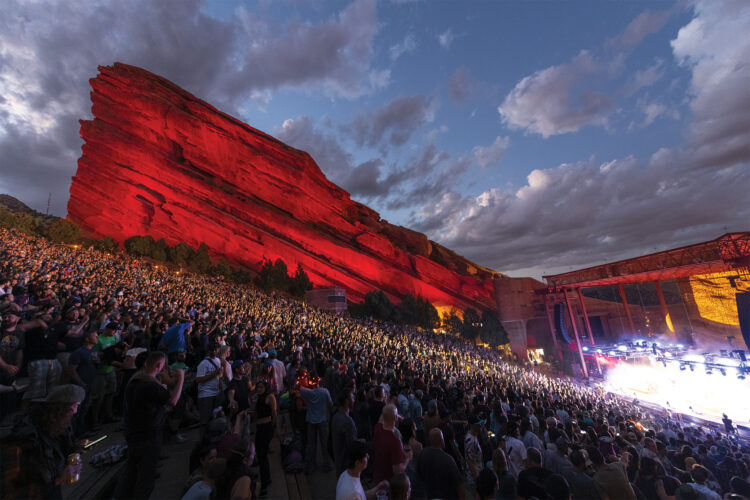
That fan connection is most visible during the band’s frequent Red Rocks performances, a sort of pilgrimage for longtime devotees. Despite years of performances, SCI continues to approach each setlist with careful intention. “If we’re doing two nights at a venue, there’ll be no repeats,” Keith explains. “We think about the emotional trajectory of the set, who’s singing, the peaks and valleys. But we’ll also call audibles mid-show if the crowd feels like it needs to shift.”

Improvisation remains at the center of the experience for both the audience and the band. During a jam, members communicate through chord changes, drum fills, and musical intuition built up over decades of shared stages. “It’s a whole lot of listening,” Keith says. “Someone drops into a groove, and everyone catches on in real time. There’s still a lot of flying by the seat of your pants, hoping you can land on something good. The jam excites us just as much as it excites the crowd. It’s unknown territory.”
That flexibility extends into the band’s genre-defying sound. While many acts stay tethered to a particular style, SCI has long embraced experimentation, pulling from bluegrass, electronic, classic rock, and beyond. Their “say yes to each other” philosophy has kept the sound cohesive yet constantly evolving. Everyone writes, everyone sings, and everyone contributes new ideas to the stage. “Somebody might bring in a song I normally wouldn’t gravitate toward,” Keith says, “but if they feel passionate about it, we support that vision.”
That same community-minded philosophy sparked Conscious Alliance, now a national nonprofit focused on hunger relief through live music culture and an organization SCI helped launch from its very first food drives. “We always hoped the impact we could make would be greater than music,” Keith says. “Concerts are healing, but we also asked: what else can we do?”
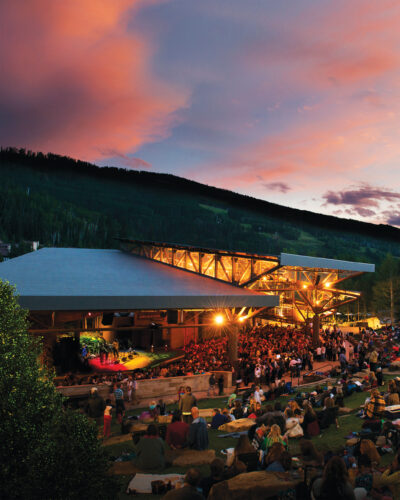
Photo courtesy of Gerald R. Ford Amphitheater.
More than three decades on, the nonstop touring years have softened into around 50 to 60 shows annually, balanced against family life and time at home. But the pull of the stage hasn’t faded. “We’ve got new songs coming that nobody’s heard yet,” Keith says. “Creating new music and sharing it with our fans—that’s still exciting for us.”
More than anything, it’s the connection that keeps the band coming back. “One of the most satisfying things is knowing our events give people a reason to gather,” he says. “You see friends reconnecting every night, year after year. That community is very real.”
And this summer, it gathers once again in the place where it all started.
For print-exclusive stories, download the digital magazine or pick up a copy from select local King Soopers, Safeway, Tattered Cover, or Barnes & Noble locations.