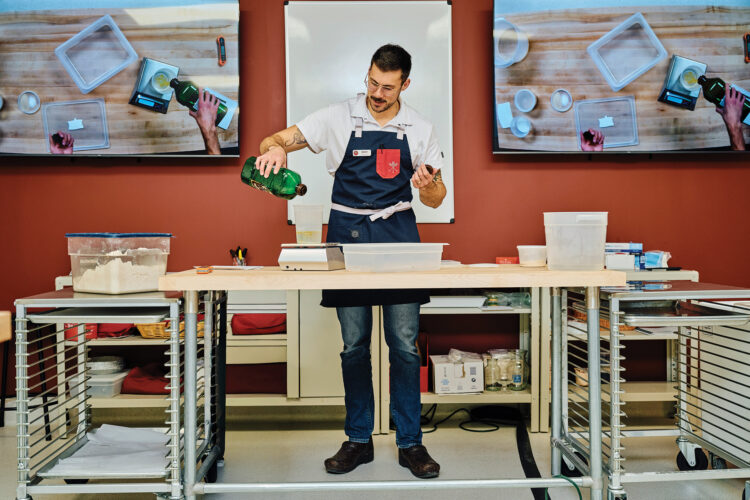
Inspired by founder Zach Martinucci’s background in food anthropology, Rebel Bread is more than a bakery; it’s a celebration of how food connects people, places, and cultures. Since opening in 2018, the now Denver staple has paired exceptional baking with a commitment to education. That mission came into full focus in 2025 with the opening of a new café and dedicated teaching kitchen on South Broadway, transforming Rebel Bread into a true community baking school. From high-altitude baking to hand-shaped pasta, its workshops blend technical instruction with the cultural stories behind every recipe.
What first inspired you to start Rebel Bread, and how has it grown since then?
“I studied food anthropology, which deepened my love for the culture, storytelling, and education around food. After completing a professional baking program, I moved to Denver to open a bakery. From day one, we were a production bakery that also taught classes and welcomed people behind the scenes. What we are doing now is an expansion of that original idea, with a dedicated teaching space that makes education a consistent and intentional part of our work.”
Why are classes such a central part of Rebel Bread?
“We hosted bagel-making workshops on our opening morning and started teaching sourdough shortly after. Classes have always been part of our identity. The new teaching kitchen gives us the space to offer them more often and with the focus they deserve.”
How do you decide what to teach each semester?
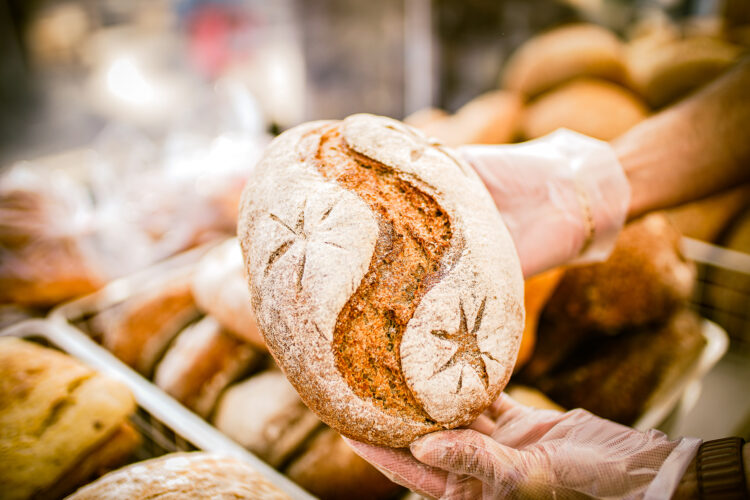
“I chose the instructors, bakers at Rebel Bread or in the Denver community, before the classes. We discussed what they were excited to share and what guests are most curious about, including bread, pastry, and topics that feel a little mystical, like sourdough. Those conversations shaped the fall lineup.”
How does your background in storytelling and food anthropology shape the classroom experience?
“I care a lot about the purpose of each class and the intentional moments instructors bring. Guests learn technical skills rooted in real baking science, but they also hear the personal stories behind recipes, the traditions that inspire us, the value of grain diversity and local flour, and ways to practice sustainability at home. The goal is a well-rounded experience that goes far beyond a single recipe, encouraging guests to stay curious about their own baking.”
.
What is one helpful tip from your High Altitude Baking class?
“We talk a lot about moisture and leavening. Colorado is dry, so you often need about five percent more moisture than a sea-level recipe. Because the atmosphere is thinner, reducing leavening by about a third helps prevent baked goods from rising too quickly and collapsing.”
What advice do you give someone hoping to turn a baking passion into a career?
“Do a version you can do today, maybe baking at home and selling to neighbors, so you can understand what it actually feels like. That real-world experience helps you know what you want before you commit too much. And expect things to change; that evolution is part of turning your passion into your profession.”
For print-exclusive stories, download the digital magazine or pick up a copy from select local King Soopers, Safeway, Tattered Cover, or Barnes & Noble locations.